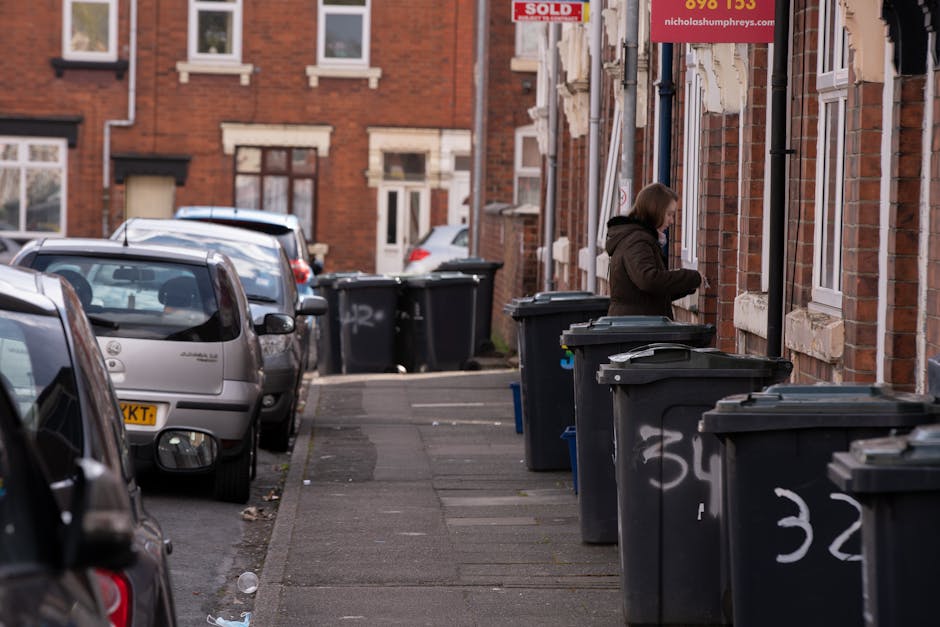
Rubbish collection guide for Station Road Bishops Stortford
If you live, work, or manage a property near Station Road in Bishops Stortford, rubbish has a habit of becoming urgent at the worst possible moment. A full front garden, a packed loft, bags in a hallway, or a business stockroom that has quietly turned into a dumping ground - it all adds up fast. This Rubbish collection guide for Station Road Bishops Stortford is here to make the process feel clearer, calmer, and a lot less annoying.
Whether you are dealing with a one-off clear-out or a regular collection need, the key is knowing what counts as general waste, what needs specialist handling, and how to avoid delays. To be fair, most people do not need a complicated explanation. They need practical steps, a realistic sense of what to expect, and a way to choose the right service without second-guessing every detail.
Below, you will find a proper local guide: how rubbish collection usually works, what to check before booking, the best way to prepare items, where mistakes happen, and when a broader clearance service may be the smarter option. If you want the short version, the job gets easier when you sort, separate, and plan ahead. Simple, but not always easy.
For broader property clearance needs, you may also find our pages on house clearance and waste removal useful when the job is bigger than a few bin bags.
Why Rubbish collection guide for Station Road Bishops Stortford Matters
Station Road is one of those places where timing and access matter. Homes, flats, small businesses, and rental properties can all generate waste in different ways, and the practical challenge is rarely just "getting rid of stuff." It is getting rid of it without cluttering shared entrances, blocking a drive, upsetting neighbours, or leaving yourself with a half-finished job.
Good rubbish collection matters because waste left too long becomes more than an eyesore. It can attract pests, create smells, and make everyday life awkward. A stack of bags by the gate may seem harmless on Monday morning, but by Friday it can feel like the whole place has shrunk. That is especially true in busier residential or mixed-use streets, where people notice what is out front.
There is also a time factor. When you are moving out, clearing a loft, or trying to prepare a property for sale or letting, delays can throw off the whole schedule. In those moments, a straightforward collection plan can save a surprising amount of stress. Truth be told, stress loves clutter.
This guide helps you think through the process properly so you can avoid the common "we'll deal with it later" trap. Later has a habit of becoming next week. Then next month. You know how it goes.
How Rubbish collection guide for Station Road Bishops Stortford Works
At its simplest, rubbish collection is the organised removal of unwanted waste from your property to a licensed handling route. In practice, though, there are a few moving parts. First you identify the waste type. Then you decide whether it can be collected as mixed rubbish, separated for recycling, or handled as specialist waste. After that, you book a suitable collection, prepare access, and make sure the items are ready to go.
For many people, the decision comes down to volume. A few bin bags may be manageable, but once you are dealing with furniture, renovation debris, garden waste, or mixed household clutter, a simple lift-and-carry approach becomes much more sensible. If you have ever stood in a room and thought, "Where did all this come from?", you are not alone.
On Station Road, access can also influence how collection works. Narrow parking spaces, limited waiting time, shared access points, and neighbouring properties can all affect loading. That means a proper plan helps more than people expect. It is not glamorous, but it is the difference between a smooth morning and a messy one.
In many cases, rubbish collection is organised as a one-off clearance rather than an ongoing service. That makes it a good fit for:
- end-of-tenancy clear-outs
- house moves and downsizing
- garage, loft, or shed clearances
- garden tidy-ups
- office changes or stockroom clean-outs
- post-refurbishment waste removal
If you are comparing collection with a larger property job, the broader services on home clearance and flat clearance may give you a better match for the scale of the work.
Key Benefits and Practical Advantages
A decent rubbish collection service is not just about convenience, although that is a big part of it. Done properly, it gives you cleaner space, less disruption, and a clearer sense of control. That sounds a bit obvious until you are the one trying to reclaim a hallway full of old boxes and broken furniture.
Here are the practical advantages that matter most:
- Saves time: you avoid multiple trips to a recycling centre or the faff of hiring transport.
- Reduces physical strain: heavy lifting, awkward loads, and repeated loading can be hard on the back and knees.
- Helps prevent clutter build-up: once waste is scheduled for collection, it stops hanging around.
- Supports better recycling: separating materials makes it easier to divert items away from landfill where possible.
- Improves presentation: a tidy exterior and interior matter for tenants, buyers, guests, and customers.
- Offers flexibility: the right service can handle small domestic jobs or larger, mixed loads.
There is also a quieter benefit: peace of mind. You stop wondering whether the waste will get in the way tomorrow, and that small mental relief is no joke. A clear space is easier to think in, easier to clean, and much easier to hand over to someone else if needed.
For commercial premises, a regular waste routine can also keep operations looking sharper. Our business waste removal page is worth a look if your rubbish need is tied to a shop, office, or workplace rather than a home.
Who This Is For and When It Makes Sense
This guide is for anyone on or near Station Road who needs a practical way to deal with rubbish without turning it into a project of its own. That includes homeowners, tenants, landlords, letting agents, local businesses, and people supporting relatives with a move or clear-out.
It makes sense to arrange collection when:
- your bins are not enough for the amount of waste
- items are too bulky for standard council-style disposal routes
- you need the area cleared quickly
- you are preparing a property for sale, rent, or inspection
- the waste includes mixed items that need sorting before disposal
- you want a cleaner, safer environment before work starts
Sometimes people only realise they need collection after the first attempt goes sideways. They hire a van, start loading, and then discover the sofa is heavier than expected, the cardboard is soggy, and the parking ticket clock is ticking. Not ideal. A professional collection or clearance service can be much easier once the scale becomes clear.
If your property has a loft, garage, or garden that has quietly filled up over time, these related services can be a better fit than a simple rubbish pickup: loft clearance, garage clearance, and garden clearance.
Step-by-Step Guidance
If you want the cleanest route from mess to clear space, it helps to break the job down. Nothing fancy. Just a sensible sequence.
- Identify the waste. Walk through the space and note what needs to go. Separate bulky items, bags, cardboard, garden cuttings, and anything potentially hazardous.
- Decide what can be kept or reused. Be honest here. The "might need this later" pile is often where clutter comes from.
- Sort the waste into groups. Keep recyclables apart where practical. Even a basic split between general waste and reusable items helps.
- Check access. Make sure gates, corridors, stairwells, and parking areas are usable. If the collection team has to improvise, the job usually takes longer.
- Measure bulky items. This is especially useful for wardrobes, bed frames, large appliances, and sofas. A quick size check avoids awkward surprises.
- Choose the right service type. A small rubbish collection may be enough, or you may need a fuller clearance if the volume is higher.
- Prepare the items. Place waste where it can be collected safely without blocking exits or walkways.
- Confirm what is included. Ask whether labour, loading, sorting, and disposal are covered so you know what you are paying for.
- Keep a final walk-through in mind. Before the collection team leaves, scan the space for missed items. It happens more often than people think.
A little preparation goes a long way. If you are clearing a whole property, the process usually feels much smoother when rooms are tackled one at a time rather than all at once. It is boring advice, yes, but boring advice is often the stuff that works.
Expert Tips for Better Results
In our experience, the best rubbish collections on Station Road are the ones where the customer thinks one step ahead. Not obsessively. Just enough to avoid friction.
Tip 1: Put the awkward items first. If there is a bulky chest of drawers, a cracked wardrobe, or a pile of mixed junk, identify that before the small stuff. The awkward piece often determines how the rest of the collection is loaded.
Tip 2: Keep wet and dry waste separate where possible. Damp cardboard, garden waste, and general rubbish can be harder to manage if everything is mixed together. A dry load is usually cleaner and easier to handle.
Tip 3: Be honest about access. If there is a narrow staircase, low gate, or difficult parking setup, say so upfront. It saves everyone time and avoids that awkward "oh, you mean that stairwell" moment.
Tip 4: Photograph the load before collection. This can help if you want to confirm the size of the job or compare quotes. It is a simple habit, and frankly, a useful one.
Tip 5: Think about what happens after the rubbish leaves. If you are clearing a room for decorating, don't stack fresh items in the same place unless the space is truly ready. Otherwise you end up moving everything twice. Nobody enjoys that.
Tip 6: Book with the rest of the day in mind. If you have viewings, deliveries, or tradespeople due, leave a little breathing room. Collection day has a way of creating more movement than expected, especially if the job is larger than planned.
One small, very human truth: the easiest jobs are rarely the ones you planned perfectly. They are the ones where you left a bit of room for a surprise.
Common Mistakes to Avoid
Most rubbish collection problems are avoidable. The trick is knowing what people get wrong most often.
- Underestimating volume: two bags become six, and suddenly the boot of the car was never going to cut it.
- Mixing hazardous items with normal waste: anything like chemicals, paint, or unknown liquids needs extra caution.
- Poor access planning: blocked entrances, parked-in driveways, or locked gates can slow everything down.
- Leaving sorting until collection day: doing it on the day creates stress and slows the workflow.
- Assuming every item is accepted: some materials need special handling, so it is better to check before booking.
- Forgetting about neighbours or shared spaces: in flats and terraces, good coordination really matters.
- Not comparing the service type: a simple rubbish collection may be fine, but if you actually need a full property clearance, the wrong choice can cost time.
One of the biggest mistakes is emotional, really. People see a cluttered space and try to do everything in one burst. That sounds efficient. It usually ends with exhaustion and a half-finished room. Better to go steady.
Tools, Resources and Recommendations
You do not need a van full of gear to organise rubbish collection well, but a few simple tools help.
- Heavy-duty sacks: useful for mixed light waste, soft furnishings, and general bagged rubbish.
- Gloves: a must if you are handling broken edges, dusty loft items, or garden debris.
- Tape measure: handy for large furniture, appliances, and awkward items.
- Marker pen or labels: useful when sorting items into recycle, keep, donate, or remove.
- Phone camera: good for before-and-after records and quote requests.
- Dust sheet or blanket: helps protect flooring and stair edges during moving.
For larger jobs, it is often sensible to look at the wider property picture. If the waste is mixed with old furniture, our furniture clearance and furniture disposal pages may be useful. If the material is linked to a refurbishment or contractor work, see builders waste clearance.
People often ask what "resource" matters most. The honest answer? Time. If you set aside a proper slot to sort before collection, the rest gets much easier. That little bit of prep changes everything.
Law, Compliance, Standards and Best Practice
When rubbish is being collected, it should be handled responsibly. In the UK, waste handling is not something to treat casually, particularly when items include mixed materials, electricals, sharp edges, or anything that could create a safety issue. The practical rule is simple: waste should go to the correct place, and the people moving it should do so safely.
For a homeowner or tenant, best practice usually means:
- separating waste where possible
- keeping walkways clear
- avoiding unsafe lifting
- identifying hazardous or specialist items early
- using a provider that takes safety seriously
If you are a business, the expectations are a bit stricter because your waste duties are tied to workplace practice and operational record-keeping. You do not want rubbish handled in a way that creates a problem later. On the safety side, a provider should have clear procedures, sensible handling methods, and proper insurance arrangements. If you want to understand how a responsible company frames that, the pages on health and safety policy and insurance and safety are worth reviewing.
There is also a sustainability angle. Good practice means looking for reuse and recycling opportunities before disposal where practical. Not every item can be saved, obviously, but many loads contain materials that can be diverted from general waste. That small shift matters more than people think. It is not about being perfect. It is about being sensible.
If you want a broader look at ethical disposal and what happens after collection, see recycling and sustainability.
Options, Methods, or Comparison Table
Choosing the right rubbish solution depends on what you are clearing, how quickly you need it done, and how much effort you want to put in yourself. Here is a straightforward comparison.
| Option | Best for | Pros | Watch-outs |
|---|---|---|---|
| DIY trips to a disposal site | Small loads and flexible schedules | Can be cost-effective if you already have transport | Time-consuming, heavy lifting, multiple journeys |
| Skip hire | Ongoing projects with lots of waste | Good for repeated loading over several days | Needs space, permits may be needed in some cases, waste still has to be loaded by you |
| Professional rubbish collection | One-off or medium-sized loads | Fast, convenient, less lifting for you | May not suit long-duration jobs if the waste keeps building |
| Full property clearance | Lofts, houses, flats, and full room clear-outs | Best for larger, more mixed jobs | More comprehensive than a simple rubbish pickup, so it may not be necessary for small amounts |
For many Station Road residents and businesses, the sweet spot is often a direct collection rather than a drawn-out DIY solution. But if you are clearing a whole flat or preparing a property after a tenancy, a more complete clearance can be the better call. The right choice is the one that fits the job, not the one that sounds cheapest at first glance.
Case Study or Real-World Example
A typical example: a small terraced property near Station Road needs clearing before new tenants move in. The hallway has old boxes, the loft has dusty bags and broken storage tubs, and the garden shed is full of cracked pots and a rusty metal frame. Nothing dramatic. Just a lot of small problems that have quietly gathered over time.
The first step is to separate what stays from what goes. The next is to identify what can be moved safely without damaging the walls or stairs. In a job like this, the collection works best when the waste is grouped by area: loft items together, garden waste together, and furniture set aside. That way the loading is quicker and the risk of items being missed drops sharply.
What made the difference in this kind of job was not speed alone. It was preparation. The client had already checked which items were staying, which ones could be recycled, and where collection access would be easiest. By the time the team arrived, the work had shape. That matters. A lot.
Another common real-world scenario is a local business that wants to clear old desks, packaging, and storage clutter from the back office. In that case, office clearance may be more suitable than an ordinary rubbish pickup, because the mix of items is usually broader and the timing more sensitive.
Practical Checklist
Use this before your rubbish collection day. It keeps things tidy and avoids last-minute panic.
- Sort waste into clear groups
- Separate anything hazardous or unusual
- Measure bulky items if needed
- Check access routes, gates, and parking
- Move items to a safe collection point
- Keep pathways and exits clear
- Confirm what is included in the collection
- Have a plan for anything you still want to keep
- Make sure the booking time suits your schedule
- Do a final room-by-room check before the team leaves
Quick reality check: if the waste keeps multiplying while you are sorting, you probably need a bigger service than you first thought. Happens all the time.
Conclusion
A sensible rubbish collection plan for Station Road Bishops Stortford is really about making life easier, not adding another chore to the week. When you sort the waste, check access, choose the right service type, and prepare the space properly, the whole process becomes far more manageable. That applies whether you are dealing with a few awkward bags or a full clear-out after months of build-up.
The best approach is usually the one that balances speed, safety, and practicality. Not every job needs a major clearance, but not every job should be handled as a quick bin run either. Once you match the method to the mess, things fall into place more naturally.
Get a free quote today and see how much you can save.
And if the clutter feels bigger than the day, that is fine. Take it one step at a time. Most good clear-outs start exactly there.
Frequently Asked Questions
What does a rubbish collection service usually include?
It usually includes the collection, loading, transport, and responsible disposal of the waste you have prepared. Some services also help with sorting or heavier lifting, but it is worth confirming exactly what is covered before booking.
Is rubbish collection better than hiring a skip?
It depends on the job. Rubbish collection is often better for one-off loads or when you want less manual work. Skip hire can suit longer projects where waste builds up over several days. If you want convenience, collection is often the easier route.
Can I mix furniture, bags, and garden waste in one collection?
Often yes, but it depends on the provider and the waste type. Mixing items is common for general clear-outs, although separating materials where possible can improve recycling and make the job easier to handle.
How should I prepare rubbish before collection day?
Sort the items, keep access clear, and place everything where it can be lifted safely. If you have bulky furniture or awkward items, measure them first and make sure the route out of the property is manageable.
What if I have items that might be hazardous?
Do not leave them mixed in with normal rubbish until you have checked how they should be handled. Paint, chemicals, and similar items often need special care. It is better to ask early than deal with problems later.
Do I need to be present for the collection?
Sometimes yes, especially if access needs to be arranged or if the team needs guidance on what should stay and what should go. For some collections, an agreed access plan may be enough, but that should be arranged in advance.
How long does a typical rubbish collection take?
That depends on volume, access, and what is being removed. A small load may be quick, while a fuller clearance takes longer. Good preparation often makes the biggest difference to timing.
What is the difference between rubbish collection and house clearance?
Rubbish collection is usually more focused on specific waste or a smaller load. House clearance is broader and can involve whole rooms, furniture, mixed household items, and more extensive sorting. If the job is large, clearance may be the better fit.
Can rubbish collection help after a tenancy ends?
Yes, absolutely. End-of-tenancy jobs often involve unwanted furniture, leftover items, broken bits, and general clutter. In those situations, a collection or clearance service can save a lot of time.
What should I do with old office items or stockroom clutter?
If the waste comes from a workplace, it is usually better to use a service suited to commercial waste rather than trying to manage it ad hoc. Office furniture, packaging, and old stock often need a more structured approach.
How do I know if my job is too big for simple rubbish collection?
If you are clearing multiple rooms, handling bulky furniture, or dealing with mixed waste from a house, loft, garage, or office, it may be more than a simple pickup. In that case, a fuller clearance option is usually smarter and less stressful.
Can collection services help with recycling and sustainability?
Yes, many rubbish collections aim to separate recyclable material where practical. The more you sort beforehand, the easier it is to handle the load responsibly and reduce unnecessary disposal.
If you want to explore more of our services, you can also review about us and pricing and quotes for a clearer view of how we work and what to expect.