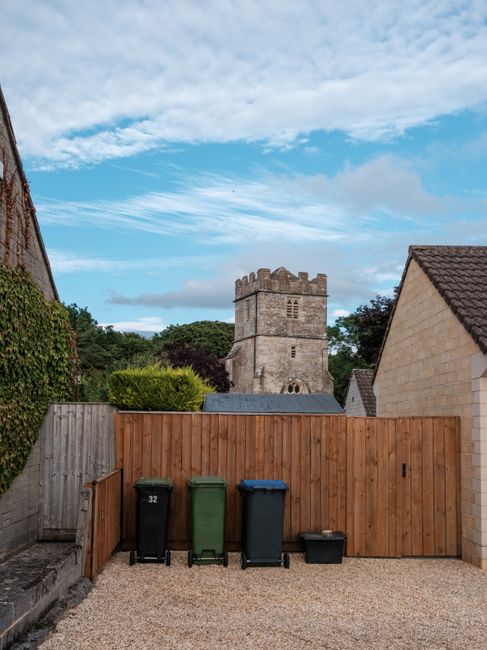
Narrow access rubbish collection tips Bishops Stortford
If you have ever tried to move a broken wardrobe through a tight hallway, down a steep staircase, or out through a courtyard gate that barely opens, you already know the problem. Narrow access rubbish collection in Bishops Stortford is not just about lifting waste into a vehicle; it is about planning the route, protecting the property, and avoiding a messy half-hour that turns into a long, awkward afternoon. This guide covers the practical side of doing it well, from preparation and safety to choosing the right collection method and knowing when professional help makes life easier.
Truth be told, most access problems are solved before the collection team even arrives. A bit of measuring, a clear path, and the right sorting of waste can make a big difference. And if you are dealing with a flat, a terraced house, a shop rear entrance, or a garden with a side passage that is more "squeeze through" than "walk through", the tips below will help you avoid the usual headaches.
For readers who want to compare related services while planning a clearance, it can also help to look at flat clearance, house clearance, or broader waste removal options alongside this advice.
Table of Contents
- Why narrow access rubbish collection matters
- How it works in practice
- Key benefits and practical advantages
- Who this is for and when it makes sense
- Step-by-step guidance
- Expert tips for better results
- Common mistakes to avoid
- Tools, resources and recommendations
- Law, compliance, standards and best practice
- Options, methods, and comparison
- Case study or real-world example
- Practical checklist
- Conclusion
- Frequently asked questions
Why Narrow access rubbish collection tips Bishops Stortford Matters
Narrow access changes the whole job. A standard collection on an open driveway is straightforward; a collection through a tight stairwell, shared entrance, or awkward rear lane is a different story altogether. In Bishops Stortford, that matters because homes and commercial premises vary a lot. You may have older buildings with small doorways, newer apartment blocks with strict access rules, or properties where parking is limited and waste has to be moved a fair distance by hand.
The key issue is not only speed. It is also about preventing damage, reducing risk, and keeping the process calm. A scratched wall, chipped banister, or broken piece of furniture dragging across a communal floor is nobody's idea of a good day. Narrow access collection, done properly, lowers the chance of that happening.
It also affects cost and timing. If the team has to spend longer carrying items, waiting for a parking space, or dismantling bulky waste on site, the job becomes more involved. That does not mean it is difficult, but it does mean the access details matter from the start.
Expert summary: Narrow access rubbish collection works best when the waste is measured, sorted, and planned around the route out of the property. The job gets easier when the access route is treated as part of the clearance, not an afterthought.
How Narrow access rubbish collection tips Bishops Stortford Works
At its simplest, the process is about matching the collection method to the property layout. The team looks at what needs to be removed, how it can be moved, and whether anything needs to be taken apart first. That might include old furniture, builder's waste, loft items, garden debris, or mixed household rubbish. If a large item will not fit through the route, it may need dismantling before it can leave the property safely.
Good narrow access collection usually follows a sequence like this:
- Check the waste type, volume, and size of the largest items.
- Measure doorways, stairs, hallways, gates, and any tight corners.
- Identify parking or loading points close to the property.
- Decide whether items need to be bagged, boxed, split, or dismantled.
- Protect floors, walls, and shared areas before moving anything.
- Remove waste in stages so the route stays clear and safe.
That is the practical version. The human version is often more improvised. One awkward sofa might turn into a careful tilt, a pause at the landing, and a quiet "just hold it there a moment" while somebody checks the next turn. Happens all the time. Not glamorous, but it works.
For larger mixed jobs, a broader service such as home clearance or furniture clearance may be more suitable than trying to handle everything in one go. If the access is especially cramped, dismantling furniture or separating waste into manageable loads can save a lot of stress.
Key Benefits and Practical Advantages
When narrow access rubbish collection is planned well, the benefits are immediate. The property stays in better condition. The team moves faster. And you avoid the kind of frustration that comes from trying to wrestle a wardrobe round a corner it was never meant to clear.
- Less risk of damage: careful movement and route planning protect walls, floors, and fittings.
- Better safety: fewer collisions, less strain, and a lower chance of trips or falls.
- Smoother collections: items can be moved in the right order, which reduces delays.
- More realistic pricing: the job can be assessed more accurately when access is described properly.
- Less disruption: neighbours, tenants, customers, or family members are not left dealing with chaos for longer than necessary.
There is also a practical benefit many people overlook: confidence. If you know the route is manageable, the whole job feels less overwhelming. That matters, especially if the clearance is linked to a move, a bereavement, renovation work, or an end-of-tenancy deadline. In those moments, calm is not a luxury.
Who This Is For and When It Makes Sense
Narrow access collection is relevant to more people than you might think. The obvious examples are flats and maisonettes, but it also applies to shops, offices, garages, garden paths, loft spaces, and older houses with cramped layouts. A rear alley, shared stairwell, or narrow side entrance can be just as challenging as a top-floor flat.
This approach makes sense if you are:
- Clearing bulky furniture from an upstairs room.
- Removing mixed household waste from a property with limited parking.
- Dealing with builder's waste in a tight frontage or rear access only site.
- Emptying a loft, garage, or cellar with small entry points.
- Handling office clearance where waste must pass through shared internal corridors.
- Preparing a property for sale, rental, or refurbishment.
It is also useful when the waste is not huge in volume but awkward in shape. A few large items can be more difficult than a full room of bagged rubbish. A broken wardrobe, an old mattress, and a heavy filing cabinet can each create their own little access puzzle. Small problem, big inconvenience.
If the job is business-related, you may also want to consider office clearance or business waste removal where access, timing, and minimal disruption are often just as important as the collection itself.
Step-by-Step Guidance
A sensible plan saves time and reduces avoidable risk. Here is the straightforward way to prepare for a narrow access rubbish collection in Bishops Stortford.
1. Walk the route from waste to vehicle
Start at the point where the items are stored and follow the exact route out. Look for bottlenecks, low ceilings, tight turns, door handles, railings, kerbs, and any slippery surfaces. Do not just eyeball it from the doorway. Walk it properly. You will notice awkward spots quickly, especially when you are carrying something bulky.
2. Measure the largest items
Measure height, width, and depth of anything bulky. If an item can be dismantled, check whether it should be taken apart before moving. Old wardrobes, bed frames, and shelving often become far easier once broken down. A screwdriver and a bit of patience can solve more problems than people expect.
3. Clear the access path
Remove bins, bikes, plant pots, mats, boxes, and anything else that narrows the route. This is a small task, but it makes a real difference. If there is a shared hallway, give neighbours advance notice where appropriate so the path stays unobstructed.
4. Separate fragile or hazardous items early
Anything sharp, leaking, dusty, or potentially hazardous should be identified before moving starts. Broken glass, tins of paint, old cleaning products, and electrical items all need care. This is one area where "we'll sort it later" is not a great plan.
5. Protect surfaces
Use floor coverings, corner protection, or blankets where needed. The point is to reduce scuffs and marks, especially on narrow stairs and door frames. Even a light scrape can be irritating once you spot it in daylight afterwards.
6. Move waste in the right order
Often the best approach is to take out the easiest and safest items first, then tackle the more awkward pieces when the route is clear. That helps create space and reduces backtracking.
7. Check the exit and loading point
Make sure the final exit is clear and the vehicle can load safely. If parking is tight in your street or there is no direct access to the front of the property, plan the carry distance in advance. That little bit of planning can save a lot of huffing and puffing later.
Expert Tips for Better Results
From a practical standpoint, the better narrow access jobs are the ones where the details are handled before the lifting starts. A few expert habits make the whole process smoother.
- Keep one person free to guide: in tight spaces, a spotter helps more than another person carrying. They can watch corners, ceilings, and trailing hazards.
- Use smaller loads: bagging loose waste into manageable sections is often better than trying to move one oversized pile.
- Take photos before the job: not for drama, just for clarity. It helps everyone understand the access conditions.
- Plan for the weather: wet steps and muddy side passages are a different kind of nuisance altogether.
- Leave room to turn: sometimes moving one table clears enough space to get the next item out. Little wins matter.
- Be honest about access: if the gate is narrow, say so. If the stairs are steep, mention it. It helps avoid surprises.
One small but useful habit: keep the most awkward item until the route is already clearer. It sounds obvious, yet people often try to move the hardest thing first, which is a bit like starting a jigsaw by throwing the edge pieces away. You can do it, but why make life hard?
For certain jobs, especially where large furniture is involved, a combination of furniture disposal and careful dismantling can be the cleanest way through a tight property.
Common Mistakes to Avoid
Narrow access collections tend to go wrong in predictable ways. Avoid these and you will be ahead of the curve.
- Underestimating item size: measuring in the room is one thing; getting it around a corner is another.
- Leaving access cluttered: a small pile of shoes, tools, or boxes can turn into an unexpected obstruction.
- Ignoring weight distribution: one heavy end on a bulky item can make it awkward and unsafe to carry.
- Forgetting about shared spaces: hallways, stairwells, and courtyards are easy to block without noticing.
- Not checking parking access: if the vehicle cannot get reasonably close, the carry time and complexity increase.
- Assuming everything must be taken in one piece: sometimes dismantling is the better option, and that is fine.
Another common issue is trying to do too much in one sweep. If the route is tight, a staged approach is usually better than a heroic all-at-once lift. The heroic lift often ends in a wobble. And a wobble is not what you want.
Tools, Resources and Recommendations
You do not need a van full of specialised kit to handle every narrow access job, but a few basic tools and resources can make a serious difference.
| Tool or resource | Why it helps | Best use case |
|---|---|---|
| Measuring tape | Confirms whether bulky items will fit through doors and turns | Furniture, appliances, awkward hallways |
| Gloves | Improves grip and protects hands from splinters or sharp edges | General rubbish handling |
| Dust sheets or floor covers | Reduces scuffs and dirt transfer on narrow routes | Stairs, corridors, communal areas |
| Sack barrow or trolley | Helps move loadable waste where the route allows it | Bagged waste, boxes, lighter bulky items |
| Screwdriver or basic dismantling kit | Lets you break down items that will not fit intact | Wardrobes, bed frames, shelving |
| Clear labels or bags | Keeps mixed waste separated and easier to carry | Household clearances, lofts, garages |
When planning a more substantial clearance, it can also help to compare the overall service type. For example, loft clearance is often more about careful handling in a confined space, while garage clearance may involve heavier items and less awkward internal access. The access challenge changes the job, but the same principle applies: plan first, carry second.
If you are looking into related property work, builders waste clearance is worth considering for renovation debris, especially when materials have to be moved through narrow side passages or around finished surfaces.
Law, Compliance, Standards and Best Practice
For most homeowners, the main compliance point is simple: waste should be handled responsibly, and anything that could cause harm should be treated with care. In the UK, best practice is to make sure rubbish is taken to a legitimate disposal route and that hazardous or awkward items are identified early. If you are hiring a clearance service, it is reasonable to ask how waste is managed and what happens to items that can be reused or recycled.
There are a few practical standards worth keeping in mind, even if they are not always written on a kitchen noticeboard. Access routes should be kept safe. Shared areas should not be blocked unnecessarily. Manual handling should be sensible, not reckless. And if the waste includes electrical items, sharp materials, or anything potentially hazardous, extra care is needed.
For commercial sites, the expectations are usually stricter. Businesses often need to think about customer access, staff safety, fire exits, and keeping operations running. That is where careful planning really pays off. It is not just about getting rid of waste. It is about doing it without making a morning's work feel like a small disaster.
If you want reassurance about how a provider approaches safety and responsible handling, it is sensible to review pages such as health and safety policy, insurance and safety, and recycling and sustainability. Those pages do not replace common sense, of course, but they do help show how seriously a company takes the job.
For wider service terms and practical expectations, it can also be useful to look at terms and conditions and pricing and quotes so there are no surprises about what is included.
Options, Methods, or Comparison Table
There is more than one way to handle rubbish in a narrow-access property. The right choice depends on the volume, item size, access route, and urgency. Here is a simple comparison to help you weigh things up.
| Method | Best for | Pros | Limits |
|---|---|---|---|
| DIY removal | Small, light loads with easy carry routes | Low direct cost, full control | Time-consuming, risky for bulky items |
| Bagging and staged carry | Mixed household waste in tight spaces | Flexible, reduces trip hazards | Needs preparation and sorting |
| Dismantling bulky items | Wardrobes, bed frames, shelving, large desks | Improves fit through narrow routes | Takes time, requires tools |
| Full professional clearance | Multiple items, awkward access, time pressure | Efficient, safer, less disruption | Usually costs more than DIY |
In many real-world cases, a mixed approach is best. You might dismantle a bed, bag smaller waste, and leave the heaviest or least manageable pieces to a team with the right equipment and experience. That is not overkill. It is just practical.
Case Study or Real-World Example
Imagine a first-floor flat in Bishops Stortford with a narrow internal staircase and a shared entrance. The customer has an old wardrobe, a mattress, several bags of loft clutter, and a few broken shelves. The hallway is just wide enough for one person to pass, and the landing has a tight turn at the top of the stairs. Nothing dramatic, but enough to make a simple job feel fiddly.
The sensible approach is to clear the landing first, dismantle the wardrobe into panels, and move the mattress after the smaller items are out. The bags are taken separately so the team can keep one hand free for the bannister and one eye on the corner. The route is protected, the load is split, and the flat is cleared without scuffs on the walls or a dozen frustrated comments about "this was never designed properly".
That is the quiet success of narrow access work. The best jobs do not look exciting. They just go smoothly. A little planning, a few pauses, and a clean finish by late afternoon. Very satisfying, actually.
Practical Checklist
Use this checklist before collection day. It is simple, but it covers the big things.
- Measure the widest item and the tightest access point.
- Check door widths, stair turns, and ceiling height if relevant.
- Clear the path from waste to exit.
- Remove loose hazards like mats, boxes, and cables.
- Identify anything sharp, heavy, wet, dusty, or potentially hazardous.
- Decide what can be bagged, boxed, or dismantled.
- Confirm parking or loading access near the property.
- Protect floors, corners, and shared areas where needed.
- Separate reusable items from general rubbish if appropriate.
- Have a plan for keys, building access, or neighbour coordination if required.
If you are dealing with a smaller flat or apartment layout, reviewing flat clearance details can help you think through access before the team arrives.
Conclusion
Narrow access rubbish collection is one of those jobs that looks straightforward until you are standing in front of a tight stairwell with a bulky item and a hopeful expression. The good news is that it becomes much easier when you plan the route, measure properly, and treat access as part of the job rather than an obstacle to it.
Whether you are clearing a flat, a family home, a garage, or a workplace in Bishops Stortford, the same principles apply: reduce clutter, protect the property, move waste in sensible stages, and choose the method that fits the space. That approach saves time, lowers stress, and usually produces a cleaner result. Not bad for a bit of prep work.
Get a free quote today and see how much you can save.
And if you are still weighing up the best route, keep it simple: choose the option that makes the job safer, calmer, and easier on the property. That is usually the right answer.
Frequently Asked Questions
What counts as narrow access rubbish collection?
It means rubbish removal where the route out of the property is tight, awkward, or limited by stairs, corridors, gates, courtyards, or small doorways. The access shape affects how the waste is moved.
Can bulky furniture be removed through a narrow stairwell?
Sometimes yes, but often only if it is dismantled first or moved at an angle with enough clearance. If the item is too large, taking it apart is usually the safer option.
Do I need to measure my doorway before booking?
It is a very good idea. A quick measurement helps avoid surprises and lets you explain the access clearly. The tightest point matters most, not the widest one.
What should I do before the collection team arrives?
Clear the route, remove loose obstacles, separate waste if possible, and identify anything fragile or hazardous. A tidy access path makes the whole process smoother.
Is narrow access collection more expensive?
It can be, depending on the extra time, labour, dismantling, or carry distance involved. The best way to avoid guesswork is to give clear details up front and ask for a proper quote.
How do I know if an item needs to be dismantled?
If the item is wider, taller, or longer than the tightest part of the route, dismantling may be necessary. Large wardrobes, beds, desks, and shelving are common examples.
Can rubbish be taken from a flat with no lift?
Yes, if the route is safe and manageable. The main considerations are stairs, communal access, carrying distance, and whether the waste can be broken down or carried in smaller sections.
What if access is limited at the rear of the property?
Rear access often works well for smaller loads, but narrow alleyways, uneven paving, and limited parking can still create problems. The route should be checked just as carefully as the front entrance.
Are there any safety issues I should be aware of?
Yes. Narrow access increases the chance of trips, strained lifting, scratches to walls, and collisions with fittings. Good preparation and careful handling reduce those risks.
How far in advance should I plan a narrow access collection?
As soon as you know the access is awkward. Even a short lead time helps with measurements, sorting, dismantling, and parking arrangements. A little notice makes life simpler.
What type of clearance is best for mixed household waste in a tight property?
Often a home clearance or flat clearance approach works best, because the job can be handled in stages and tailored to the property layout. The right choice depends on volume and access.
How can I make the process less stressful?
Be honest about the access, prepare the route early, and keep the job broken into manageable steps. Narrow access sounds annoying, and sometimes it is, but it does not have to be chaotic.