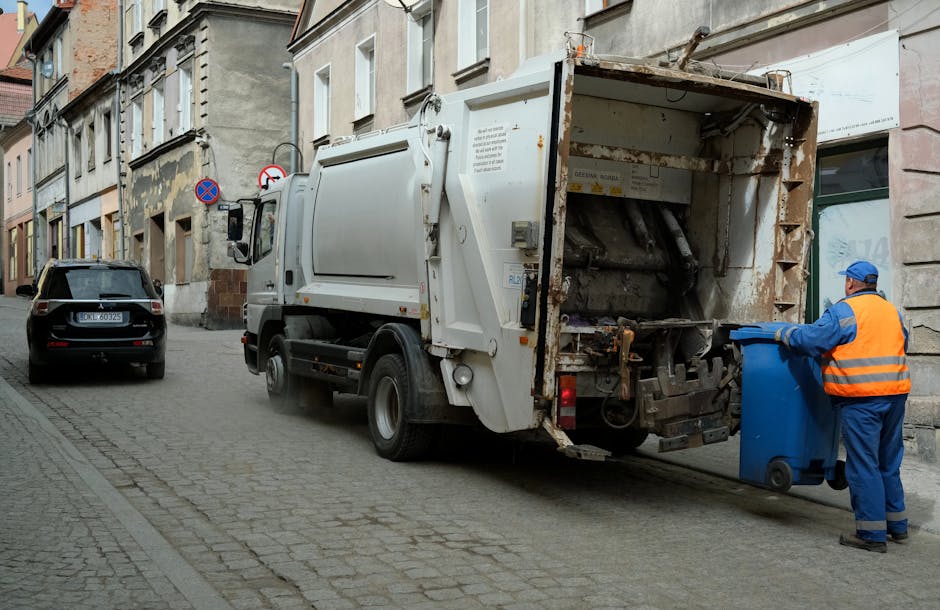
CM23 bulky rubbish removal Thorley estate Bishops Stortford: a practical local guide for getting rid of large waste the sensible way
If you live in Thorley Estate and you've got an awkward sofa, a broken wardrobe, a mattress, or a pile of old household clutter taking over the hallway, you're probably not looking for theory. You want the rubbish gone, safely and without a fuss. That's exactly where CM23 bulky rubbish removal Thorley estate Bishops Stortford comes in. Done well, it saves time, reduces stress, and helps you avoid the messy halfway stage where furniture is blocking the landing and nobody quite knows what to do next.
This guide walks through what bulky rubbish removal actually means, how it usually works in the local area, what to watch out for, and how to make a good decision if you're comparing options. You'll also find a checklist, a comparison table, and a few practical examples from real-life situations that crop up more often than people expect. To be fair, bulky waste always looks easier to deal with until it is sitting in your front room at 7pm on a Thursday.
Table of Contents
- Why CM23 bulky rubbish removal Thorley estate Bishops Stortford Matters
- How CM23 bulky rubbish removal Thorley estate Bishops Stortford Works
- Key Benefits and Practical Advantages
- Who This Is For and When It Makes Sense
- Step-by-Step Guidance
- Expert Tips for Better Results
- Common Mistakes to Avoid
- Tools, Resources and Recommendations
- Law, Compliance, Standards, or Best Practice
- Options, Methods, or Comparison Table
- Case Study or Real-World Example
- Practical Checklist
- Conclusion
- Frequently Asked Questions
Why CM23 bulky rubbish removal Thorley estate Bishops Stortford Matters
Bulky rubbish is different from everyday household waste. It is bigger, heavier, more awkward to move, and often not suitable for a standard bin collection. In a place like Thorley Estate, where homes, parking, access routes, and shared spaces can vary quite a bit, getting rid of large items becomes part logistics, part common sense.
It matters for a few simple reasons. First, bulky items can quickly make a property feel cramped. A spare room becomes a dumping ground. A garage stops being a garage. A hallway becomes a narrow obstacle course. Second, large waste can be a trip hazard, especially if it is left waiting near doors, steps, or driveways. And third, if items are abandoned, left in communal areas, or put out incorrectly, they can become a nuisance for neighbours very quickly. Nobody enjoys that.
There is also the practical side. If you are preparing a home for sale, a tenancy changeover, a renovation, or simply a seasonal clear-out, bulky rubbish removal is often the fastest way to reset a space. In our experience, once people clear the big items first, everything else becomes easier. The room feels different immediately. Lighter, somehow. Less stuck.
For readers looking at the wider local picture, it can also help to understand how related services fit together. A lot of households use house clearance services for larger moves or inherited properties, while others only need a smaller, targeted collection. If you are unsure which route fits, that is normal. The right choice depends on volume, urgency, item type, and access.
How CM23 bulky rubbish removal Thorley estate Bishops Stortford Works
Although every job is a bit different, bulky rubbish removal usually follows a straightforward pattern. You identify the items, describe them clearly, agree the collection arrangement, and then the waste is removed by a crew that knows how to handle heavy and awkward loads safely. Nice and simple on paper, anyway.
Here's what usually happens in practice:
- Item review: You list what needs to go. Think sofas, wardrobes, mattresses, white goods, dismantled furniture, bagged clutter, or garden bulky waste.
- Access check: The provider will want to know about parking, stairs, narrow hallways, lift access, and whether anything needs dismantling.
- Collection planning: A sensible provider will confirm timing, manpower, and whether any special handling is needed.
- Removal: The items are taken away, usually with care taken not to damage walls, floors, or shared areas.
- Sorting and disposal: Reusable or recyclable materials may be separated where possible, with the rest handled through appropriate waste routes.
That last bit matters more than people think. Not every bulky item should end up in the same place, and a decent removal service should have a clear process for sorting waste responsibly. If you're comparing providers, ask how they handle recyclable materials, electrical items, and anything that needs special treatment. It is a fair question, not fussy.
If your clear-out is part of a bigger project, it can be useful to look at adjoining services too. For example, a property refresh may involve general rubbish removal as well as bulky item collection, while more mixed loads sometimes fit better under waste clearance services. The key is matching the service to the mess, not forcing the mess into the service.
Key Benefits and Practical Advantages
People usually think about the obvious benefit first: the stuff is gone. True enough. But there are a few extra advantages that are easy to miss until you've actually had a proper clearance done.
- Time saved: Moving a large sofa on your own is rarely a one-person job, and rarely a quick one.
- Reduced risk of injury: Heavy lifting, awkward angles, and stairs can cause back strain or worse.
- Better use of space: A cleared garage, bedroom, or loft is immediately more useful.
- Less stress: One big job off the list can make the rest of the week feel manageable again.
- Cleaner handover: Useful for landlords, tenants, sellers, and anyone getting a property ready for the next stage.
- Responsible disposal: A good service helps reduce the temptation to dump items unsafely or leave them around for "later", which never really arrives.
There's also a subtle benefit: bulky clearance restores order. That might sound a bit sentimental, but it is true. You open the door, see the space, and the room stops nagging at you. It's one less thing pressing on your mind.
For larger or ongoing needs, some customers pair bulky clearance with more regular waste support. If that sounds like your situation, you may also find commercial waste collection relevant if you run a local business, small office, or rental portfolio and need a steadier waste routine.
Who This Is For and When It Makes Sense
Bulky rubbish removal is useful for a wider group of people than you might expect. It is not only for big house moves or major renovations. In fact, a lot of jobs are the result of ordinary life happening at once.
It makes sense if you are:
- clearing out after a declutter, loft sort, or garage reset
- replacing furniture and need old items taken away
- preparing a home for sale or rent
- managing an end-of-tenancy tidy-up
- dealing with an inherited property
- disposing of damaged items after a leak, move, or refurbishment
- trying to clear communal waste that residents should not leave building up
A realistic example: a family on Thorley Estate may buy a new bed, a wardrobe, and a sofa in the same month. The deliveries arrive separately, the old items still sit in the spare room, and suddenly the house feels half-finished. That is a classic moment where a targeted bulky removal service makes a lot of sense. Another common one is a landlord needing a property turned around quickly between tenancies. No drama, just efficiency.
If your load includes a mix of bulky furniture and smaller bagged waste, it may help to think about the whole job in one go. A provider offering office clearance can also be helpful for home-working setups, storage rooms, or small business spaces where the waste is mixed rather than neatly separated.
Step-by-Step Guidance
If you want the process to go smoothly, a little preparation makes a big difference. Here's a practical way to handle it.
1. Make a full list of items
Walk through the property and note every bulky item you want removed. Be honest here. The extra chair in the corner counts, yes it does. Include mattresses, cabinets, tables, broken shelving, and anything too large for normal bin collection.
2. Separate what can stay, be reused, or be recycled
Before collection day, decide whether any items can be donated, sold, reused, or dismantled. Not everything needs to be thrown away. A service may still collect items in good condition, but it helps to know your options first.
3. Check access and parking
Take a look at the route from the property to the collection point. Are there narrow stairs? Shared hallways? A tight driveway? On-street parking that fills up early? These details matter because they affect time, labour, and vehicle access.
4. Ask about restricted items
Certain items can require special handling, especially electricals, fridges, or anything contaminated. A good provider will explain what they can and cannot take. If you're unsure, ask before collection day rather than after the item is already at the kerb.
5. Confirm timing and expectations
Get clear on arrival windows, loading arrangements, and whether the crew will dismantle items if needed. A quick confirmation call or message saves a lot of confusion. Small thing, big difference.
6. Prepare the items for removal
Where possible, place items in an accessible location. If the team needs to collect from inside the property, make sure hallways are clear. Remove personal items from drawers and cupboards. You'd be surprised how often a half-empty cabinet still contains important paperwork, a charger, and three mystery screws.
7. Check the space afterwards
Once the bulky waste has gone, inspect the area for small fragments, missed items, or damage. It is much easier to spot an issue immediately than three days later when everything else has been put back in place.
For multi-room properties or larger clearances, a more structured approach is often best. If the job grows beyond one van-load, services like attic clearance or garage clearance can be a practical next step rather than trying to handle everything in one rushed visit.
Expert Tips for Better Results
Here are a few things that tend to make a real difference, especially if you want the job done cleanly and without back-and-forth.
- Take photos before you book: A few clear images usually help with quoting and planning.
- Group items by type: Furniture together, bagged waste together, electrics separate if needed.
- Measure anything awkward: Large wardrobes, corner sofas, and bed frames can be deceptive in hallways.
- Think about dismantling: Sometimes taking one bed frame apart saves a lot of carrying and reduces the chance of damage.
- Be realistic about volume: "Just a few items" often turns into more once people start clearing properly.
- Plan for access at busy times: School runs, parking pressure, and weekend traffic can all slow things down locally.
One small but useful tip: if you have both bulky waste and normal clutter, separate them mentally before the collection day. It makes communication far easier. And it gives the provider a better sense of how long the job may take, which is fair for everyone.
If you are dealing with a clean-out after renovations, you may also want to organise the waste by room or stage. For instance, bathroom fittings, packaging, and broken cabinetry may be better handled alongside a broader kitchen clearance or property clearance plan rather than as an isolated pile at the front door.
Common Mistakes to Avoid
Most bulky rubbish jobs go smoothly, but a few avoidable mistakes crop up again and again. They are simple things, yet they can create delays, extra costs, or just more hassle than the job needed in the first place.
- Leaving everything until the last minute: That usually leads to rushed decisions and poor sorting.
- Not checking access: A van cannot magically squeeze into a blocked driveway.
- Assuming everything is acceptable: Some items need special handling and cannot be mixed in casually.
- Forgetting hidden waste: Drawer contents, small offcuts, broken bits in the shed, and loose packaging often get overlooked.
- Choosing only on price: The cheapest option is not always the smoothest, and not always the most responsible.
- Not asking what happens to the waste: This matters if you care about recycling, reuse, and proper disposal.
There is also a human mistake people make all the time: they underestimate how emotional a clearance can feel. A house full of old furniture is not just "stuff" sometimes. It can be memory, clutter, unfinished jobs, and a bit of guilt all mixed together. That's normal. A good service understands that and keeps things simple.
Tools, Resources and Recommendations
You do not need a specialist toolkit to arrange bulky waste removal, but a few simple items and habits can help.
| Useful item or preparation | Why it helps | Best for |
|---|---|---|
| Phone camera | Makes quoting and planning much easier | Any job with mixed or awkward items |
| Measuring tape | Helps check whether furniture will fit through doors or stairs | Large wardrobes, beds, sofas |
| Bin bags or boxes | Keeps small loose items together | Clutter, mixed room clear-outs |
| Labels or sticky notes | Makes it obvious what is staying and what is going | Shared homes, landlords, busy households |
| Basic dismantling tools | Can reduce bulk and make removal safer | Flat-pack furniture, bed frames, shelving |
For larger property clean-outs, it also helps to compare the type of service you need before booking. A single bulky item pickup is different from a fuller probate clearance, especially where there may be a wider sorting process or multiple rooms involved. Likewise, if you are clearing storage areas or outbuildings, a more general property clearance service may be the better fit.
A final recommendation: always keep notes of what has been agreed. Nothing dramatic, just the basics. Collection date, item list, access details, and any special instructions. It sounds dull. It saves headaches.
Law, Compliance, Standards, or Best Practice
When dealing with bulky waste in the UK, the main thing is to make sure items are handled by someone who can dispose of them properly and lawfully. You do not need to be a waste expert yourself, but you do need to be careful about who takes the load and where it ends up.
Best practice usually means:
- using a provider that can explain how waste is handled
- avoiding fly-tipping or leaving items in unauthorised locations
- keeping electrical and special items separate where required
- choosing a service that sorts for reuse or recycling where possible
- checking that any collection arrangements are clear and documented
This is one of those areas where vague promises are not enough. If someone offers to "just take it away" without any explanation of the disposal process, that should make you pause. Not panic, just pause. Responsible disposal is part of the service, not an optional extra.
For shared buildings, flats, and managed estates, there may also be site rules about where waste can be placed and when collections can happen. Following those local arrangements helps avoid blocked access routes and neighbour complaints. Practical, really.
Options, Methods, or Comparison Table
There are several ways to deal with bulky rubbish, and the right choice depends on how much you have, how quickly you need it gone, and whether you can handle the lifting yourself.
| Method | Best for | Pros | Considerations |
|---|---|---|---|
| DIY transport | Very small loads and people with access to a suitable vehicle | Can be flexible | Heavy lifting, time, disposal logistics, and possible multiple trips |
| Local bulky waste collection | Residents who can book an official pickup | Often straightforward if items meet criteria | Slots may be limited and item types restricted |
| Private bulky rubbish removal | Quick turnarounds, awkward loads, mixed items, or properties with access challenges | Convenient, flexible, labour included | Price can vary depending on volume and access |
| Full house or property clearance | Larger declutters, bereavement clean-outs, or major moves | Handles bigger, more complex jobs | More planning required, especially if contents need sorting |
For many Thorley Estate households, a private collection is the most practical answer because it can fit around real life. School pick-ups, work shifts, parking, neighbours coming and going - all the little things. A service that can adapt is often worth more than a slightly cheaper, less flexible option.
Case Study or Real-World Example
Here's a realistic scenario. A family on Thorley Estate decides to clear out a spare room that has become a storage space over the years. There is an old double mattress, a broken chest of drawers, two office chairs, a dismantled wardrobe, and several bags of mixed clutter. The room also has a narrow doorway and a tight turn on the stairs. Not ideal, but manageable.
They start by photographing everything and measuring the wardrobe panels. Then they separate the obvious keepers from the obvious waste. A few small items are donated. The rest are grouped near the entrance to reduce carrying distance. On collection day, the crew arrives, checks access, removes the bulky items carefully, and clears the room without scraping the walls. It sounds ordinary. That is the point. The best jobs are the ones that feel ordinary by the end.
What did the household gain? A usable spare room again. Less clutter. No need to borrow a van. No heavy lifting in the rain. And yes, there was a slightly smug moment when they could finally close the door on the last bag and think, right, that's done.
Another example might be a small rental flat with an old sofa and broken desk left behind after a tenancy ends. In that case, the priority is speed and clean handover. A targeted end of tenancy clearance approach can be a better fit than a general tidy-up, especially when a landlord or letting agent wants the space presentable quickly.
Practical Checklist
Use this quick checklist before booking or collection day. It keeps things tidy, which is half the battle really.
- Make a clear list of all bulky items
- Take photos of the waste from different angles
- Check doorways, stairs, parking, and access routes
- Separate anything you want to keep, donate, or recycle
- Look for hidden items inside cupboards, drawers, and shelves
- Ask whether any items need special handling
- Confirm collection timing and arrival expectations
- Move items to an accessible location if possible
- Clear hallways and protect flooring if needed
- Inspect the space after removal for missed pieces or damage
Expert summary: The easiest bulky rubbish removal jobs are the ones where the load is clearly described, access is checked in advance, and the waste is handled by a team that knows how to remove large items without turning the whole place upside down.
Conclusion
CM23 bulky rubbish removal Thorley estate Bishops Stortford is not just about throwing large items away. It is about clearing space safely, saving time, and making a home or property feel usable again. Whether you are dealing with one unwanted sofa or a full room of awkward furniture, the most important thing is choosing a method that fits the job in front of you.
Plan the access, be clear about the items, and think a step ahead about disposal and sorting. That is usually enough to keep the process smooth. And if the pile looks bigger than you expected - which happens, quite often - that is exactly the moment to get a proper collection arranged rather than trying to wrestle with it alone.
For local households and landlords alike, a careful bulky waste pickup can take a lot of pressure off. One good clear-out has a habit of making the rest of the week feel lighter. Funny how that works.
Get a free quote today and see how much you can save.
Frequently Asked Questions
What counts as bulky rubbish?
Bulky rubbish usually means items too large or awkward for normal household bins, such as sofas, wardrobes, mattresses, tables, and other heavy household waste. If it feels like a two-person job, it probably counts.
Can bulky items be collected from inside the property?
Often, yes, but it depends on the service and the access available. Stairs, narrow hallways, parking, and item weight all affect how the collection is carried out.
Do I need to dismantle furniture before collection?
Not always. Some services can remove large items as they are, but dismantling can help with access and speed. If you can safely break down a bed frame or shelving unit, it may make life easier.
How much does bulky rubbish removal cost in CM23?
Prices usually vary depending on the volume, weight, item type, access, and how much labour is required. A small single-item pickup will usually cost less than a mixed-load clearance from several rooms.
Can you remove mattresses and sofas?
Yes, these are among the most common bulky items collected. It helps to mention them specifically when requesting a quote, especially if they need to be carried downstairs or through tight spaces.
What happens to the waste after collection?
A responsible provider will sort items where possible for reuse, recycling, or proper disposal. The exact route depends on the material and condition of the waste, but it should not simply be dumped.
Is bulky rubbish removal suitable for landlords or letting agents?
Yes. It is often used for end-of-tenancy clean-ups, abandoned furniture, and rapid property turnover. If the job is part of a wider handover, a fuller property clearance approach may be more efficient.
Can I add extra items on the day?
Sometimes, but it is best to mention everything in advance. Adding items at the last minute can affect pricing, loading time, and vehicle capacity, so it is better to be upfront from the start.
What should I do with electrical items?
Electricals may need separate handling depending on the item and its condition. It is always sensible to ask before collection rather than assuming they can be mixed with general bulky waste.
Is bulky rubbish removal better than hiring a skip?
It depends on the situation. A skip can suit ongoing DIY work, but a removal service is often better if you want everything taken away in one go without lifting, loading, or arranging parking for a container.
How quickly can bulky waste be removed?
That depends on availability and the size of the job. Small collections can often be arranged quickly, while larger or more complex clearances may need more planning. A photo-based quote usually speeds things up.
What if I only have one large item?
Single-item collection is very common. One mattress, one sofa, or one broken wardrobe is still worth arranging properly if you do not have the vehicle or time to move it yourself.
Are there any items that cannot be collected?
Yes, some items may be restricted or need special arrangements, especially if they are hazardous, contaminated, or fall under separate waste rules. A good provider should tell you clearly what they can handle.
How do I prepare a Thorley Estate property for bulky waste collection?
Clear the access route, group items neatly, remove personal belongings, and check parking or entry instructions. A bit of preparation goes a long way, and the team can usually work much faster when the space is ready.
What is the best first step if I'm unsure what service I need?
Start with a simple list of the items and a few photos. From there, you can decide whether you need a one-off bulky pickup, a broader waste clearance, or a full property service. No need to overthink it on day one.