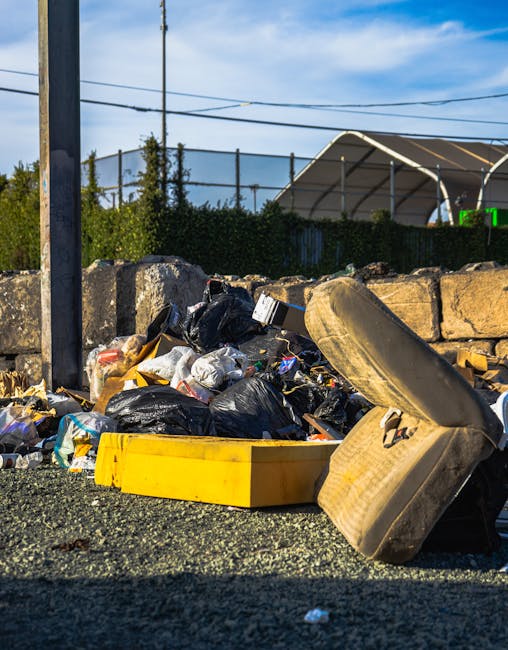
Bishops Stortford council rules for rubbish and fly tipping: what residents and businesses need to know
If you are trying to make sense of Bishops Stortford council rules for rubbish and fly tipping, you are probably dealing with one of three things: a full household clear-out, a pile of DIY waste, or the sinking feeling that someone has dumped rubbish where it should not be. Truth be told, most problems start with simple confusion. What can go in which bin? What needs a booking? What counts as fly-tipping rather than just a messy mistake?
This guide breaks the topic down in plain English. You will find a practical explanation of how waste rules generally work in Bishops Stortford, why they matter, what usually causes fines or complaints, and how to deal with rubbish properly without making life harder than it needs to be. There is also a step-by-step checklist, a comparison table, and a realistic example so you can see how it plays out in everyday life.
Practical takeaway: if waste is in your control, the safest approach is to keep it contained, sorted, and handed to the right route for collection or disposal. Simple, yes. Always easy? Not really.
Table of Contents
- Why Bishops Stortford council rules for rubbish and fly tipping Matters
- How Bishops Stortford council rules for rubbish and fly tipping Works
- Key Benefits and Practical Advantages
- Who This Is For and When It Makes Sense
- Step-by-Step Guidance
- Expert Tips for Better Results
- Common Mistakes to Avoid
- Tools, Resources and Recommendations
- Law, Compliance, Standards, or Best Practice
- Options, Methods, or Comparison Table
- Case Study or Real-World Example
- Practical Checklist
- Conclusion
- Frequently Asked Questions
Why Bishops Stortford council rules for rubbish and fly tipping Matters
Waste rules are not just red tape. They affect how clean the streets feel, how safe shared spaces stay, and how quickly a neighbourhood can recover after a dump of unwanted stuff appears beside a hedge, alley, layby, or bin store. In a place like Bishops Stortford, where homes, flats, shops, and trades all generate different kinds of waste, the rules help keep that flow under control.
Fly-tipping is the obvious issue, but it is not the only one. Poorly presented rubbish can attract vermin, spill into drains, block access, and create extra work for neighbours or landlords. One overflowing bag on a windy morning can turn into shredded packaging down the pavement by lunchtime. A small nuisance becomes a bigger job. Fast.
There is also the legal side. If rubbish is dumped illegally and traced back to you, even indirectly, you may be asked to explain how it was stored, transferred, or handed over. That is why people who hire someone to remove waste need to be careful. Cheap is not always cheerful when the outcome is a penalty notice or a doorstep full of regret.
For householders, the rules matter because they shape what happens after decluttering, moving house, or replacing furniture. For landlords and businesses, they matter because waste management is part of responsible property and site care. For trades, the stakes are even higher: builders' debris, plasterboard, timber offcuts, and packaging need proper handling, not a hopeful squeeze into the nearest wheelie bin.
If you are planning a larger clearance, it can help to look at dedicated options such as house clearance, home clearance, or office clearance so the waste is dealt with in one organised go rather than piece by piece.
Expert summary: the best waste outcome is usually the boring one: sorted properly, stored neatly, and removed by the right route. It saves time, reduces risk, and avoids messy misunderstandings later.
How Bishops Stortford council rules for rubbish and fly tipping Works
While exact procedures can vary depending on the type of waste and the location, the general approach is straightforward. The council expects waste to be presented safely, not obstructing roads or footpaths, and not placed where it risks becoming litter or fly-tipped material. Different waste streams usually need different treatment.
Household rubbish normally goes into the correct bin or collection system. Recyclables should be separated where local arrangements allow it. Bulky items, garden waste, builders' waste, and electricals often need a specific collection route or a licensed waste carrier. If you just leave a sofa by the kerb and hope for the best, that is where the trouble starts. It may look harmless for a while. Then the rain comes, or somebody adds a mattress, and the pile becomes everyone's problem.
Fly-tipping is generally the illegal dumping of waste in an unauthorised place. It can involve a single black bag, a van-load of mixed rubbish, or a pile of construction debris tipped in a lane. Even placing waste beside a bin point without permission can trigger complaints if it is not part of the agreed collection process.
The practical process usually works like this:
- Identify the type of waste you have.
- Decide whether it is normal household rubbish, bulky waste, garden waste, trade waste, or hazardous material.
- Use the proper collection, recycling, or disposal route.
- Keep records if you hire anyone to take it away.
- Make sure nothing is left where it could be mistaken for fly-tipping.
If you are dealing with mixed items, services like waste removal or garage clearance can be a sensible middle ground, especially when the pile includes furniture, boxes, old tools, and odds and ends that would take ages to sort yourself.
One thing people often miss is that responsibility does not always disappear just because someone else took the waste away. If you cannot show that the person collecting it was properly set up to do so, you may still have questions to answer. A bit old-school, perhaps, but that is how it works.
Key Benefits and Practical Advantages
Following the right rubbish rules is not only about avoiding penalties. There are some genuine practical upsides, and they matter more than people realise.
- Cleaner streets and shared spaces: fewer bags left out too early, fewer wind-blown items, fewer unpleasant surprises for neighbours.
- Lower risk of complaints: tidy waste handling is one of those small things that stops bigger arguments before they start.
- Less chance of accidental liability: if waste is traced back to your property, your household, or your business, proof of proper handling helps.
- Better recycling outcomes: separating reusable or recyclable items usually means less goes to landfill or mixed disposal.
- Safer clearances: whether it is a loft, garden, or office, you reduce trip hazards and sharp edges by clearing waste promptly.
There is also a more human benefit. A tidy space feels lighter. You notice it the minute the last old chair, broken mirror, or bag of renovation debris is gone. The room sounds different, even. Less echo. Less clutter. That matters when you are trying to get on with daily life.
For businesses, good waste handling can also improve customer confidence. Nobody wants to see rubbish stacked behind a premises where people are coming and going. If your site produces regular waste, it may be worth looking at business waste removal so collections are consistent and predictable rather than rushed at the last minute.
Who This Is For and When It Makes Sense
This topic is relevant to a lot more people than you might expect. It is not just for someone who has already had a warning notice or a neighbour complaint.
Homeowners need it when they are clearing a loft, replacing furniture, doing a garden tidy, or moving house. A common scenario: the spare room turns into a holding bay for old boxes, broken lamps, and a sofa you meant to deal with six months ago. That is exactly the moment rubbish starts to get out of hand.
Tenants and landlords need it for end-of-tenancy clearances, communal areas, and items left behind. Flats can be especially awkward because waste often sits in shared hallways or bin stores, where one person's mistake becomes everyone else's inconvenience. If that sounds familiar, flat clearance is often the more practical route.
Builders and tradespeople need it when dealing with offcuts, rubble, packaging, and old fixtures. Builders' waste has a habit of multiplying. You think there are just a few bags, then suddenly there is timber, plasterboard, and broken tiles everywhere. For those jobs, builders' waste clearance is often the cleanest solution.
Garden owners need it after pruning, landscaping, or seasonal tidy-ups. Green waste may look harmless, but once mixed with pots, fencing, soil sacks, and broken garden furniture, it becomes a disposal task rather than a simple tidy. In that case, garden clearance can make life much easier.
Business owners and property managers need this when refurbishing offices, clearing stock, or making sure service yards and rear access points stay free of dumped rubbish. It is not glamorous work, but then, rubbish rarely is.
Step-by-Step Guidance
Here is a sensible way to handle waste without falling foul of council expectations or creating extra mess for yourself.
- Sort the waste first. Separate household rubbish, recyclables, reusable items, electrical items, garden waste, and anything that may need special handling.
- Check whether it fits the normal collection route. Small items may go in your usual bins. Larger or heavier items usually will not.
- Avoid leaving loose waste outside. Bag it securely, stack it neatly, and keep it under control until removal day. Wind and rain love an untidy pile.
- Use the proper collection option for bulky or mixed items. If the load includes furniture or lots of household contents, a clearance service may be more efficient than multiple trips.
- Keep records if you hire someone. Make a note of who collected the waste, what was removed, and when. A simple invoice or written confirmation can help later.
- Check what happens to reusable items. Some pieces can be reused, repurposed, or separated for recycling before the final disposal stage.
- Follow up quickly if waste is dumped illegally. Take note of location and condition, and report the issue through the appropriate local route. Do not try to move unknown hazardous waste yourself.
If you are clearing a property from top to bottom, services like loft clearance, furniture clearance, and furniture disposal can help break the job into manageable chunks.
A small but useful tip: take photos before and after a clearance, especially for rental properties or commercial spaces. Not because you expect drama, but because it is easier to prove the space was left tidy if questions arise later.
Expert Tips for Better Results
After handling a lot of clearances, one pattern shows up again and again: the smooth jobs are the ones where the waste was thought about before the van arrived. That sounds obvious, but a surprising number of people still bundle everything together and hope sorting will happen magically on site. It rarely does.
Tip 1: keep similar items together. Put metal with metal, cardboard with cardboard, and general waste apart from reusable furniture. Even a rough separation saves time.
Tip 2: do not mix hazardous or uncertain items into general rubbish. Paint tins, solvents, gas canisters, sharp metal, and old electronics can need special care. If in doubt, hold back and check.
Tip 3: make access easy. Clear the path from the waste pile to the exit. A few minutes spent moving boxes out of the way can save a lot of carrying back and forth.
Tip 4: choose the right scale of service. A single sofa is not the same as a full house contents clearance. Likewise, a shop refit is very different from a garage tidy. Match the job to the method.
Tip 5: ask about responsible disposal. The best waste handlers do not just remove items; they also think about reuse, recycling, and sensible routing. If sustainability matters to you, it should matter to them too. You can see that approach reflected in recycling and sustainability.
Tip 6: remember the paperwork side. A clean site is good. A clean site with clear records is better.
And yes, one more small one: if a pile smells odd or looks damp and broken down, deal with it sooner rather than later. Old rubbish has a knack for becoming unpleasant just when you were hoping to leave it until tomorrow.
Common Mistakes to Avoid
Most waste problems come from a handful of avoidable mistakes. Some are tiny. Some are expensive. All of them are preventable if you slow down for five minutes.
- Leaving waste beside bins without permission: this can be treated as dumped waste if it is not part of the collection system.
- Assuming someone else is responsible: if you commissioned the clearance, you still need to know it was done properly.
- Using an unverified collector: if a person or company is too cheap, vague, or hurried, pause. Ask questions.
- Putting the wrong material in the wrong stream: food waste, rubble, soil, timber, and mixed household rubbish each behave differently.
- Forgetting shared spaces: communal hallways, bin stores, and rear access points can create disputes fast if waste is left there too long.
- Ignoring bulky-item rules: a mattress or wardrobe is not just another bag of rubbish. It needs the right route.
One quiet little disaster we see fairly often is the "I'll just leave it out for a minute" approach. Then a week later it is still there, half-wet, and everyone is annoyed. Not ideal. Not even close.
Tools, Resources and Recommendations
You do not need fancy equipment to handle rubbish properly, but a few basics make the job much smoother.
- Heavy-duty bags or sacks: useful for small general waste and loose items.
- Gloves and sturdy footwear: essential when lifting awkward or sharp items.
- Boxes and labels: handy when sorting items for reuse, recycling, or removal.
- Straps or tape: useful for securing flat-pack pieces, cardboard, or furniture parts.
- Phone photos: a simple way to document condition before and after clearance.
If you are planning a larger project, the right service can save time and reduce stress. For example, a household with a cluttered attic, a packed garage, and a garden full of old pots may be better served by a joined-up clearance rather than three separate calls. In those situations, garage clearance or home clearance can be more practical than trying to chip away at it on your own.
If money is a deciding factor, it can help to compare the work involved with the potential hassle of multiple trips, fuel, and disposal mistakes. The cheapest option on paper is not always the cheapest in real life. Funny how that works.
For enquiries about next steps, pricing, or job-specific support, the most sensible place to start is the site's pricing and quotes information and the main contact page.
Law, Compliance, Standards, or Best Practice
This topic sits in the intersection of local expectations, environmental responsibility, and basic waste duty of care. You do not need to memorise legal jargon to act properly, but you do need to understand the principle: if waste is produced, stored, moved, or handed to someone else, it should be handled responsibly and traceably.
In plain English, best practice usually means:
- keeping waste secure and contained
- not obstructing public areas without permission
- using suitable containers or collection methods
- avoiding illegal dumping of any kind
- choosing a waste route appropriate to the material
- keeping basic records when someone else removes the waste
Trade waste, commercial waste, and mixed waste can be treated differently from ordinary household rubbish, so business owners should not assume the rules are identical. A small office clear-out, for example, can include paper, IT equipment, furniture, and packaging, all of which may need a slightly different approach. If that sounds familiar, office clearance or business waste removal may be a better fit than a general tidy-up.
There is also a standards angle. Good operators usually follow sensible health and safety practices, take care with lifting and load security, and treat recyclability as part of the job rather than an afterthought. You can see examples of that mindset in pages such as health and safety policy, insurance and safety, and terms and conditions.
When people ask what "compliance" really means here, the answer is surprisingly practical: keep the waste where it belongs, hand it to the right person, and do not create a problem that could have been avoided with basic care. That is the whole thing, really.
Options, Methods, or Comparison Table
There is rarely just one way to deal with rubbish. The right option depends on volume, type, time, access, and whether the items are reusable. Here is a simple comparison.
| Method | Best for | Pros | Limitations |
|---|---|---|---|
| Normal household bin collection | Routine daily waste | Simple, familiar, low effort | Not suitable for bulky or large volumes |
| Bulky-item or specialist collection | Sofas, mattresses, furniture, mixed household items | Convenient, less lifting, proper handling | May need booking and item prep |
| DIY multiple trips to disposal points | Small loads if you have the time and vehicle | Flexible, direct control | Time-consuming, messy, fuel and loading effort |
| Professional clearance service | House moves, bereavement clearances, offices, garages, lofts | Fast, organised, fewer mistakes | Usually higher upfront cost than DIY |
To be fair, many people end up choosing a professional clearance because they value certainty more than the theoretical saving of doing it all themselves. That is especially true when the waste includes bulky furniture, awkward stairs, or a deadline that is not moving.
If you are mainly comparing clear-out types, these pages can help you think in practical terms: house clearance, flat clearance, garage clearance, and loft clearance.
Case Study or Real-World Example
A typical Bishops Stortford scenario might look like this: a family finishes a long-overdue spring clear-out and ends up with a broken chest of drawers, a faded sofa, several bags of general household waste, and a pile of garden cuttings. They are busy, the weather is damp, and the driveway is already tight.
At first, it looks manageable. A bit of sorting, a few bins, maybe one van trip. But then the practical issues pile up. The sofa will not fit in the car. The garden waste is heavier than expected. The cardboard has absorbed moisture and gone limp. The drawers have loose nails. The family could drag it out over two weekends, but that would mean ongoing mess and more chances for something to get left out in the wrong place.
Instead, they separate what can be reused, bag the general waste properly, keep the path clear, and arrange a clearance in one go. The result is simple: the space is cleared, the waste is removed responsibly, and there is no awkward pile sitting outside the property while they wait for the next chance to deal with it.
That kind of job is exactly where a joined-up approach helps. It is less about "bulk removal" as a concept and more about avoiding all the little frictions that make rubbish handling a chore in the first place.
Practical Checklist
Use this checklist before you leave waste out, book a collection, or arrange a clearance.
- Have I identified the waste type correctly?
- Is anything hazardous, sharp, wet, or likely to leak?
- Have I separated reusable, recyclable, and general waste?
- Is the waste secure and not blocking access?
- Does the collection method match the amount and type of waste?
- If someone else is removing it, have I checked they are suitable?
- Have I kept a note, photo, or record of the removal?
- Have I avoided leaving anything where it could be mistaken for fly-tipping?
- If this is a shared property, have I considered neighbours and common areas?
- Do I need a more specialised service for furniture, business waste, or builders' waste?
If you can tick most of those off, you are in good shape. If a few are missing, slow down. That is usually the moment to ask for help rather than gamble and hope.
Conclusion
Bishops Stortford council rules for rubbish and fly tipping are ultimately about keeping waste in the right place, making sure it is handled properly, and preventing avoidable mess from becoming a legal or neighbourhood problem. The basics are not complicated, but the details matter: sorting, storage, collection method, and traceability all play a part.
Whether you are clearing a home, managing a business site, or dealing with an awkward pile after a move or renovation, the best results usually come from choosing the right route early. That saves time, keeps the area tidy, and helps you avoid the kind of headache that starts with "I'll sort it later."
If you want a more organised way to deal with unwanted items, compare your options carefully, look at the job as a whole, and choose the method that fits the waste rather than forcing the waste to fit the method. It makes life easier. Honestly, a lot easier.
Get a free quote today and see how much you can save.
And if you are standing in front of a pile of rubbish right now, take a breath. You are not the first person to face it, and once it is handled properly, the whole place feels lighter again.
Frequently Asked Questions
What counts as fly-tipping in Bishops Stortford?
Fly-tipping is generally the illegal dumping of waste in a place where it is not permitted. That can include leaving bags, furniture, rubble, or mixed rubbish in an alley, verge, communal space, or private land without permission.
Can I leave rubbish next to a bin if it will be collected later?
Only if it is part of the recognised collection process and permitted by the property or collection arrangements. Otherwise, leaving waste beside a bin can create complaints or be treated as dumped rubbish.
What should I do with bulky items like sofas or wardrobes?
Bulky items usually need a specific disposal route. If you have several large pieces, a clearance service is often the simplest option, especially when access is awkward or the items are heavy.
Do I need to keep proof when someone removes my waste?
Yes, it is sensible to keep basic records. A receipt, invoice, or written confirmation can help show that the waste was passed on appropriately if there are any questions later.
Is garden waste treated differently from general household rubbish?
Often, yes. Garden waste may be collected or handled separately from general rubbish, especially if it includes soil, branches, fencing, or mixed materials.
What if I find dumped rubbish on my street or near my property?
Do not try to move unknown waste if it could be sharp, contaminated, or hazardous. Make a note of the location and condition, then report it through the appropriate local route.
Can businesses use the same waste approach as households?
Not always. Business waste often needs a more formal and consistent collection arrangement, particularly if it includes packaging, office furniture, stock, or trade-related materials.
What is the safest way to clear a cluttered garage or loft?
Sort items first, separate anything reusable, and avoid carrying loose mixed waste in one big rush. If the space is full or access is tight, a clearance service can reduce lifting and confusion.
Are furniture and electrical items recycled?
They can be, depending on condition and material type. Reusable items may be diverted for reuse, while other items may be broken down for recycling or responsible disposal.
How do I avoid getting into trouble with rubbish rules?
Keep waste contained, use the right disposal route, and only hand it to people or services you trust. If something feels unclear, it is better to ask than assume.
What is the easiest option for a full property clear-out?
For a full house, flat, or office clearance, a single organised collection is usually the least stressful approach. It reduces the risk of waste being left behind in stages and makes the job much more manageable.
Where should I start if I need help with rubbish removal?
Start by identifying the waste type and the scale of the job. Then look at the most relevant service page, review the information on pricing and quotes, and use the contact page if you want to discuss the clearance in more detail.