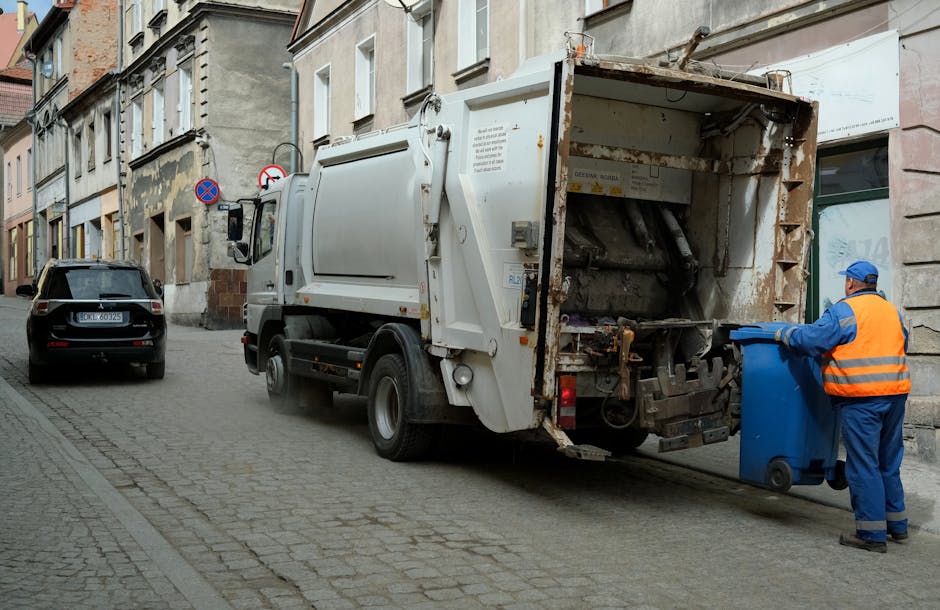
Bircherley Green rubbish removal for shops in Bishops Stortford
If you run a shop in Bircherley Green, you already know how quickly waste builds up. Cardboard from deliveries, broken display items, backroom clutter, shrink wrap, old stock, packaging, and the odd awkward item can take over fast. Bircherley Green rubbish removal for shops in Bishops Stortford is about keeping that flow under control without turning your stockroom into a dumping ground or disrupting the trading day.
Done well, shop rubbish removal is simple, tidy, and almost invisible to customers. Done badly, it becomes one of those nagging jobs that quietly eats time, creates fire hazards, and makes the shop floor feel less inviting. This guide explains how it works, who it suits, what to watch for, and how to make sensible choices for a busy retail setting. A little planning goes a long way, honestly.
For businesses that want to understand the broader service standards behind collection, handling, and responsible disposal, it can also help to look at recycling and sustainability, insurance and safety, and the company's about us page before booking.
Table of Contents
- Why Bircherley Green rubbish removal for shops in Bishops Stortford matters
- How Bircherley Green rubbish removal for shops in Bishops Stortford works
- Key benefits and practical advantages
- Who this is for and when it makes sense
- Step-by-step guidance
- Expert tips for better results
- Common mistakes to avoid
- Tools, resources and recommendations
- Law, compliance, standards, or best practice
- Options, methods, or comparison table
- Case study or real-world example
- Practical checklist
- Conclusion
- Frequently asked questions
Why Bircherley Green rubbish removal for shops in Bishops Stortford Matters
Retail waste is rarely dramatic, but it is constant. A morning delivery arrives. A shelf is changed. A promotional stand is replaced. By closing time there is a pile of mixed rubbish tucked behind the till area or in the back room, and that pile is not getting smaller on its own. In a busy local shopping area like Bircherley Green, regular removal matters because space is valuable and presentation is part of the business.
Customers notice clutter, even if they do not consciously register it. A cramped stockroom makes staff slower. Overflowing bags create trip risks. Loose cardboard can block access routes. To be fair, most shop owners do not need a lecture on cleanliness. They need a practical way to keep on top of the mess while staying focused on the actual business.
There is also a trust angle. A tidy shop suggests care, order, and professionalism. A back-of-house area may be hidden from public view, but it still affects the way a business runs. The smoother the waste removal process, the easier it becomes to keep standards high without resorting to last-minute panic.
For many shops, the real challenge is not whether rubbish needs collecting. It is how to remove it in a way that fits around opening hours, staff availability, and the usual chaos of retail life. That is the sweet spot where a planned service makes sense.
How Bircherley Green rubbish removal for shops in Bishops Stortford Works
In practical terms, shop rubbish removal is usually arranged around a simple sequence: assess what needs clearing, agree access, schedule collection, remove waste safely, and ensure the items are taken to the right processing route. The exact approach depends on volume, item type, and how quickly the space needs to be back in use.
Small retail clearances might involve a few sacks, boxes, and broken fixtures. Larger jobs may include shelving, storage units, damaged display pieces, and mixed commercial waste from a refit or end-of-season reset. The job is often best handled in a way that keeps disruption low. Early morning is popular. So is after closing. Sometimes a split collection works better. It depends on the shop, and that bit matters.
Most businesses like a service that is flexible enough to work around deliveries and customer traffic. That might mean a quick backdoor pickup for bagged waste or a more detailed clearance where the team helps carry items from the stockroom. If you need to check service standards, the company's health and safety policy is a useful place to understand the working approach.
Typical shop waste types
- Cardboard and paper packaging
- Plastic wrap, shrink film, and pallet wrap
- Old stock and damaged goods
- Broken shop fittings or display items
- Office waste from the back room
- General mixed rubbish from refits or reorganisations
- Occasionally bulky items such as shelving, counters, or storage furniture
Not everything is treated the same way. Clean cardboard can often be handled differently from mixed waste, and some items may need separate handling for recycling or disposal. That distinction saves time and helps reduce avoidable disposal costs.
Key Benefits and Practical Advantages
The strongest benefit is simple: less clutter, less stress, more usable space. But there is more to it than that. A good rubbish removal arrangement makes the day run smoother in ways that are easy to miss until they are gone.
First, it frees up space. Shops in compact locations feel every square metre. A clear stockroom helps staff move faster and store goods properly. That alone can improve stock handling and reduce the usual end-of-day scramble.
Second, it protects presentation. Customers may never see the back room, but they absolutely notice if the front of house feels crowded or chaotic. A tidy environment supports the brand, even in subtle ways.
Third, it reduces safety issues. Cardboard stacks, loose waste, and awkward items can create blocked walkways and handling risks. In a retail setting, those small hazards add up.
Fourth, it helps with recycling. When rubbish is separated properly, more of it can be sent for recovery rather than mixed disposal. That is better practice and, often, a better story for the business.
Fifth, it saves staff time. Let's face it, shop staff are not there to spend half the afternoon wrestling with old shelving. If a removal service handles the heavy lifting, your team can stay focused on customers and stock.
Expert summary: The best rubbish removal arrangements for shops are not the cheapest-looking ones on paper. They are the ones that save time, keep access clear, support recycling, and prevent waste from becoming a daily nuisance.
There is also a consistency benefit. Once a routine is set, the business stops improvising. That sounds small. It isn't. Consistency is what keeps clutter from becoming a pattern.
Who This Is For and When It Makes Sense
This kind of service is a good fit for a wide range of shops in and around Bircherley Green and the Bishops Stortford area. Some need help every week. Others only need support during busy trading periods, refurbishments, or seasonal clear-outs. The needs vary, but the pain point is usually the same: waste is getting in the way.
It especially suits:
- Independent shops with limited back-of-house space
- Retailers receiving frequent deliveries
- Stores replacing displays or fixtures
- Businesses clearing old stock after a sale
- Shops with cardboard build-up and packaging overflow
- Units preparing for a refit, handover, or stockroom reorganisation
If a shop is only generating a small amount of bagged rubbish, a simple scheduled collection may be enough. If the waste includes bulky items, mixed materials, or items that need carrying through tight access points, a more hands-on removal service usually makes life easier.
Some owners wait until waste starts affecting trading. Others plan ahead. The second approach tends to be calmer, and calmer usually means better value. A small reset today can prevent a messy week later. It really can be that straightforward.
Step-by-Step Guidance
If you want the process to feel manageable, break it down. No drama. Just a clear sequence.
- Identify what needs removing. Separate general rubbish, cardboard, recyclable items, and bulky objects. A quick walkthrough of the stockroom usually reveals more than expected.
- Check access. Think about doors, loading points, stairs, narrow corridors, parking restrictions, and whether items need to pass through customer areas. Access planning saves a lot of friction.
- Estimate the volume. You do not need a perfect measurement, but a sensible estimate helps set expectations. A few sacks is very different from a full refit clearance.
- Set the timing. Choose a slot that avoids peak footfall where possible. Early starts and after-hours collections often work well for shops.
- Prepare the waste. Group items neatly, flatten cardboard where possible, and keep sharp or awkward items separate if that is safer.
- Confirm the collection plan. Make sure the team knows what they are collecting, where to park, and who will meet them. This is where many delays are avoided.
- Ask about sorting and disposal. Reuse and recycling routes should be explained clearly enough that you know what happens next.
- Review what remains. After the removal, look at the space with fresh eyes. Sometimes there is a small amount left that should have gone too. Easy fix.
If the shop handles sensitive paperwork, branded materials, or items with customer information on them, it is worth separating those from ordinary waste. A tidy disposal routine is better than a rushed one, every time.
Expert Tips for Better Results
One thing experienced shop owners tend to learn is that waste management works best when it is boring. Predictable. Almost dull. That is the goal, really.
1. Create a simple waste station
Put clearly labelled containers in the stockroom or receiving area. One for cardboard. One for general waste. One for anything bulky or awkward. If everything gets thrown into one corner, you lose the advantage before the day even starts.
2. Flatten packaging as it arrives
This sounds obvious, but it makes a big difference. Flat cardboard takes up less room and is easier to move. A staff member can fold boxes while putting away stock, rather than waiting for a giant pile later on.
3. Time removals around your trading rhythm
Retail is not one-size-fits-all. A gift shop, a fashion shop, and a convenience store all have different busy periods. Booking collection at the right time avoids friction at the front door and keeps staff from feeling in the way.
4. Keep bulky items separate from mixed rubbish
Old fixtures, shelving, and display items can be awkward if they are buried under bags. Separate them early. It makes the whole job smoother and may reduce unnecessary handling.
5. Review waste patterns monthly
Not every shop needs a formal audit. But a quick monthly look at what keeps piling up can reveal a lot. Maybe the packaging stream is heavier than expected. Maybe the stockroom has become a holding area for old promo units. It happens.
And yes, sometimes the problem is simply too many boxes and not enough bins. That is a very retail problem. Very common too.
Common Mistakes to Avoid
A few avoidable mistakes crop up again and again in shop clearances. They are rarely catastrophic, but they do make the process harder than it needs to be.
Leaving waste until it becomes urgent
The most common issue is delay. When rubbish is left too long, it spreads, blocks access, and becomes harder to sort. What started as a straightforward collection turns into a small logistical puzzle.
Mixing recyclable materials with general waste
Cardboard, clean packaging, and reusable fixtures should not be buried in mixed rubbish unless there is no practical alternative. Separation is often better for cost, handling, and sustainability.
Underestimating access challenges
A waste pile may look small until you try to move it through a cramped stockroom or narrow back corridor. Shops with awkward access need a little extra planning. Truth be told, that is where most surprises happen.
Forgetting about trading hours
A clearance that interferes with customers is rarely worth it. Noise, blocked entrances, and temporary clutter can all affect the shopping experience. It's a simple thing, but easy to miss on a busy day.
Not checking how items will be handled
Businesses should feel comfortable asking what happens to collected waste. Reuse, recycling, and disposal routes matter. A trustworthy provider should be able to explain the basics clearly.
Assuming every item can go together
Some waste streams need separate treatment. If you are not sure, ask before collection day. It saves awkwardness and helps avoid avoidable delays.
Tools, Resources and Recommendations
You do not need fancy equipment to manage shop rubbish well. In most cases, a few simple tools and habits do the job.
- Strong bin bags or sacks for general retail waste
- Cardboard flatteners or box cutters for safe packaging breakdown
- Labelled storage tubs for loose items or small offcuts
- A hand truck or sack truck for moving bulkier loads safely
- Clear storage zones for temporary waste holding
- Basic inventory notes if you are clearing old stock or fixtures
For businesses that want a deeper look at cost, service options, and what affects pricing, the page on pricing and quotes is useful. If you are ready to discuss access, timing, or a shop clearance in more detail, the contact us page is the right next step.
A good rule of thumb: the cleaner the waste is sorted before collection, the easier the rest becomes. Small effort, big payoff. Not glamorous, but effective.
Law, Compliance, Standards, or Best Practice
Retailers in the UK have everyday responsibilities around waste storage, handling, and keeping the premises safe for staff and visitors. The exact legal duties can vary depending on business type, waste streams, and premises setup, so it is sensible to avoid making assumptions. The safest approach is to follow recognised good practice and use a provider that works carefully and transparently.
In practical terms, this means waste should be stored so it does not block exits, create trip hazards, or attract pests. Sharp items need sensible handling. Heavy items should not be lifted in risky ways. And if materials can be recycled, that should be considered before everything is treated as general rubbish.
It also makes sense to work with a business that is open about safety, insurance, and working methods. Their health and safety policy and insurance and safety information help set expectations. For payment terms and handling of customer information, the payment and security page and privacy policy can be helpful reading too.
Best practice is really about common sense, backed by a process. Keep access clear. Separate waste where possible. Use proper lifting techniques. Ask questions if something seems off. Nothing flashy. Just sensible operations.
Options, Methods, or Comparison Table
Shops in Bircherley Green usually choose between a few practical approaches. The right one depends on how much waste you produce, how often it appears, and how much disruption you can tolerate.
| Method | Best for | Pros | Trade-offs |
|---|---|---|---|
| Ad hoc collection | Occasional clear-outs or one-off bulky waste | Flexible, easy to arrange when needed | Can become reactive if used too often |
| Regular scheduled removal | Shops with steady waste from deliveries and retail operations | Keeps space under control and reduces clutter | Needs a routine and planning |
| Project clearance | Refits, stockroom resets, or shop closures | Handles larger volumes in one go | Requires more preparation and access planning |
| Sort-and-separate approach | Businesses prioritising recycling and lower mixed waste | Cleaner process, better recycling outcomes | Takes a bit more discipline from staff |
If you are unsure which route fits best, start with the question: is this a recurring problem, or a one-off event? That answer usually points you in the right direction.
Case Study or Real-World Example
Picture a small shop near Bircherley Green after a run of deliveries and a seasonal display change. By Thursday afternoon, the back room has become a maze of flattened boxes, damaged packaging, an old display stand, and a couple of bulky items waiting to be sorted. Nothing outrageous. Just enough to make staff sigh every time they walk in.
The owner books a collection for the following morning, before opening. Staff separate the cardboard, move reusable items aside, and leave the larger pieces near the back access point. The collection is quick because the plan is simple. There is no hunting for items, no arguing over what goes where, and no need to clear space while customers are walking past.
Afterwards, the stockroom feels wider. Not magically bigger, obviously, but easier to work in. That matters. A tidy back area usually means faster restocking, fewer accidents, and less low-level stress during the week. The owner also has a better sense of what waste is being produced, which helps plan the next collection without panic.
That kind of improvement is easy to overlook. It is not dramatic. But retail is often won by small efficiencies, repeated often. Morning by morning, that adds up.
Practical Checklist
Use this checklist before arranging shop rubbish removal in Bircherley Green:
- Identify all waste types, including cardboard, mixed rubbish, and bulky items
- Separate recyclable materials where practical
- Check access points, parking, and loading space
- Choose a collection time that suits trading hours
- Make sure staff know what stays and what goes
- Remove or secure any sharp, heavy, or awkward items
- Confirm who will meet the collection team
- Ask how items will be handled, reused, or recycled
- Review any safety concerns in the stockroom or back access area
- Keep a note of recurring waste issues for next time
Quick takeaway: the best results usually come from a little prep, not a big one. A ten-minute tidy-up before collection can save far more time later than you'd expect.
If you want to compare service details or make sure the provider aligns with your expectations, it is sensible to review the company's terms and conditions and recycling and sustainability information before booking.
Conclusion
Bircherley Green rubbish removal for shops in Bishops Stortford is really about keeping retail spaces workable, presentable, and safe. When waste is handled properly, the whole shop feels calmer. Staff can move better. Storage works better. Customers notice the order, even if they never talk about it.
The strongest approach is usually the one that fits your trading pattern, not the one that looks impressive on paper. Think access, timing, sorting, and clear expectations. Keep it simple, and it becomes much easier to manage. That's the bit people often miss.
Get a free quote today and see how much you can save.
For business owners who want a provider with clear policies and a straightforward process, the about us and contact us pages are a sensible place to start. A tidy shop is not just nicer to look at. It makes every working day feel a little lighter, and that matters more than people think.
Frequently Asked Questions
What does Bircherley Green rubbish removal for shops in Bishops Stortford usually include?
It typically covers the collection and removal of shop waste such as cardboard, packaging, old stock, broken fixtures, and general rubbish. Some jobs are small and routine, while others involve a larger clearance after a refit or stockroom reset.
Can shop rubbish be collected outside opening hours?
Often, yes. Many shop owners prefer early morning or after-hours collections because they reduce disruption and keep the front of the shop clear for customers.
Is cardboard handled differently from mixed waste?
Usually it is. Clean cardboard and other recyclable materials are often easier to separate and process than mixed waste. Sorting them properly can improve recycling outcomes and make the job more efficient.
What if my shop has awkward access?
That is very common in retail settings. Narrow corridors, steps, and tight back entrances can all be managed, but they should be explained in advance so the collection can be planned properly.
Do I need to prepare the waste before collection?
It helps a lot. Flattening cardboard, grouping bulky items, and separating obvious recycling streams makes the removal quicker and reduces the chance of confusion on the day.
How do I know whether I need a one-off clearance or regular collections?
If waste builds up steadily from trading and deliveries, regular collections usually make more sense. If the issue is linked to a refit, seasonal change, or stock purge, a one-off clearance is often enough.
Can shop waste include old fixtures and display items?
Yes, as long as the items are suitable for collection and the provider is told about them in advance. Shelving, stands, and counters often need a bit more planning because they can be bulky or awkward.
What should I ask before booking a rubbish removal service?
Ask about access, timing, waste handling, recycling, insurance, and how pricing is worked out. Clear answers usually tell you a lot about how smoothly the job will go.
How can I reduce waste collection costs over time?
Sort waste more carefully, flatten packaging, avoid mixing recyclables with general rubbish, and keep on top of small build-ups before they become larger jobs. A little routine discipline goes a long way.
Is it worth checking safety and insurance information first?
Yes, absolutely. For any commercial waste job, it is sensible to understand how the provider handles safety, lifting, access, and liability. It gives peace of mind, and it is just good business practice.
What happens if I have a complaint or problem with the service?
It is useful to know the complaint route before you book. The company's complaints procedure sets out how concerns are handled, which helps if you ever need follow-up.
Where can I find more information about pricing and payment?
For a clearer view of how quotes and payments are handled, see pricing and quotes and payment and security. If you want to discuss your own shop setup, the contact us page is the practical next step.