Avoid hidden rubbish removal charges in Bishops Stortford
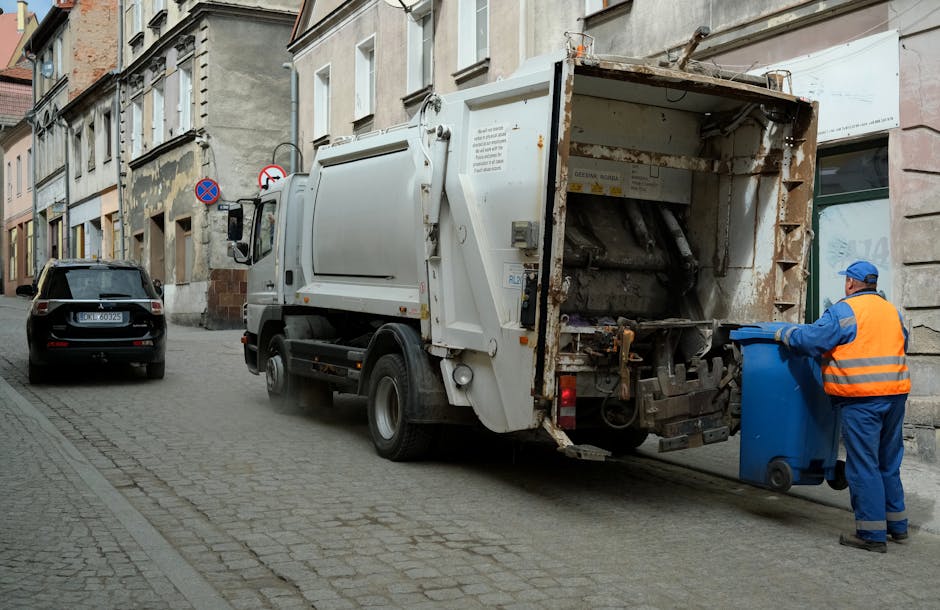
If you have ever booked a clearance and then felt a bit blindsided by the final bill, you are not alone. Hidden rubbish removal charges can turn a simple tidy-up into an expensive headache, especially when you are trying to clear a loft, garage, garden, or a full property in Bishops Stortford. The good news? Most surprise costs are avoidable once you know what to look for, what to ask, and how a proper quote should be structured. In this guide, we will walk through the real-world warning signs, the pricing questions that matter, and the practical steps that help you stay in control from the first call to the final sweep-up.
To be fair, rubbish removal should feel straightforward. It usually is, when the company is clear, local, and honest. But vague pricing language, rushed site visits, and loosely worded terms can make a simple job murky fast. Let's make it clear, useful, and a bit less stressful.
Why hidden rubbish removal charges in Bishops Stortford matter
Hidden charges are not just annoying. They can throw off your budget, delay a house move, and make it harder to compare providers properly. In rubbish removal, the price you see at the start is often based on volume, weight, access, labour, waste type, and disposal costs. If any of those are left fuzzy, the quote can look cheap right up until the invoice lands.
In Bishops Stortford, that matters because people book clearance services for all sorts of time-sensitive reasons: an end-of-tenancy flat clearout, a probate property, a garage full of clutter, or builders waste after a weekend project. When you are juggling keys, schedules, neighbours, and maybe a van on the drive at 8am, the last thing you need is a debate over extra bags, stairs, or "unusual items".
Here is the real issue: some charges are legitimate, but they should be explained clearly before work begins. A transparent company will tell you whether a quote includes labour, loading time, disposal fees, recycling costs, and any special handling. If they cannot explain it in plain English, that is your cue to slow down. Hidden rubbish removal charges in Bishops Stortford are usually avoidable when the pricing conversation is specific instead of slippery.
Expert summary: The safest way to avoid surprise charges is simple: insist on a clear scope, written pricing, and a breakdown of what is and is not included before anyone starts loading waste.
Table of Contents
- Why hidden rubbish removal charges in Bishops Stortford matter
- How hidden rubbish removal charges in Bishops Stortford works
- Key benefits and practical advantages
- Who this is for and when it makes sense
- Step-by-step guidance
- Expert tips for better results
- Common mistakes to avoid
- Tools, resources and recommendations
- Law, compliance, standards and best practice
- Options, methods and comparison table
- Case study or real-world example
- Practical checklist
- Conclusion
- Frequently Asked Questions
How hidden rubbish removal charges in Bishops Stortford works
Most rubbish removal pricing is built around a few moving parts. Once you understand them, the whole thing becomes easier to challenge. A proper quote usually reflects the estimated amount of waste, the type of waste, how easy it is to access, and what it will cost to dispose of responsibly. That sounds obvious, but small omissions are where the trouble starts.
Common pricing components
- Volume: how much space the waste takes up in the vehicle.
- Weight: especially relevant for dense waste like rubble, soil, or heavy mixed loads.
- Labour: the time needed to carry items out, sort them, and load them safely.
- Access: stairs, long carries, narrow hallways, or parking restrictions can affect the job.
- Waste type: general household rubbish is different from builders waste, furniture, or garden waste.
- Disposal charges: legitimate costs for processing, recycling, and tipping waste.
Sometimes a quote is based on photos, sometimes on a visit, and sometimes on a rough description over the phone. That can work well enough, but only if the provider is honest about what might change the price. A quick example: saying "it's just a garage clearout" tells a provider very little. Saying "one broken wardrobe, eight black bags, three bikes, and a pile of mixed junk in a garage with one narrow side passage" is much more useful. Slightly awkward to say, perhaps, but much better for pricing.
The best firms also explain what happens if the load is bigger than expected. Not in a vague way. In a specific way. For instance, they may say the price will be adjusted only if the waste volume differs materially from what was agreed, and that any change will be confirmed before lifting begins. That kind of clarity matters.
If you are comparing providers, it can help to look at their published pricing and quote guidance alongside the job details you have in mind. That gives you a better sense of whether the quote process is designed to be open or a bit too clever for its own good.
Key benefits and practical advantages
Avoiding hidden rubbish removal charges is not just about saving money, although that is obviously a big part of it. It also gives you control, confidence, and a less stressful experience on the day. When the pricing is transparent, you can plan properly and make sensible choices about what to keep, what to donate, and what to remove.
- Better budgeting: you can set a realistic spend and avoid awkward surprises.
- Faster decisions: clear pricing makes it easier to approve a job without hesitation.
- Less stress: nobody wants a pricing argument at the kerbside.
- Cleaner comparisons: you can compare like with like instead of chasing the cheapest headline figure.
- More trust: transparent pricing usually reflects a more organised, professional service.
There is also a practical advantage that people sometimes overlook: a transparent quote often leads to a smoother job on the day. Why? Because the provider has already thought through access, load size, and the likely waste stream. That means fewer delays and fewer "Oh, by the way..." moments after the van arrives. A very British kind of relief, that.
For example, someone clearing a living room after a furniture upgrade may assume the sofa and two armchairs are straightforward. But if the hallway is tight, the furniture is heavy, and the items need to be dismantled, the job is more complex than it first appears. Clear pricing lets you factor that in early instead of discovering it mid-job.
Who this is for and when it makes sense
This topic matters for anyone arranging waste clearance in Bishops Stortford, but especially if you are dealing with tight timelines, mixed waste, or a property that has not been cleared in years. In our experience, people most often run into hidden charges when the job is urgent, emotionally charged, or described too quickly to the provider.
- Homeowners clearing lofts, garages, basements, or spare rooms
- Landlords between tenancies
- Tenants moving out and trying to avoid end-of-tenancy problems
- Families clearing inherited properties
- Tradespeople with builders waste left after a project
- Businesses that need a one-off or recurring clearance
- Anyone disposing of bulky furniture or mixed household items
It also makes sense if you are comparing different services. A clear, itemised quote for a house clearance may look higher than a vague "from" price, but it can still be better value if it includes labour, disposal, and reasonable access assumptions. Cheap quotes are not always cheap. That is the annoying bit.
If your job is more specific, such as clearing a flat or removing an old sofa set, relevant service pages like flat clearance and furniture clearance can help you understand how different types of clearance are typically handled. For bigger domestic jobs, you may also want to look at home clearance or house clearance if that matches your situation more closely.
Step-by-step guidance
Here is a practical way to avoid hidden rubbish removal charges before they happen. Nothing fancy. Just a process that works.
- List everything that needs removing. Be specific. Bags, furniture, white goods, garden waste, builders rubble, broken shelving, old paperwork. The more precise you are, the better.
- Take clear photos. Include wide shots and close-ups. Show access points too: stairs, lifts, parking distance, alleyways, side gates, whatever matters.
- Ask for a written quote. Not just a phone estimate. Written quotes are easier to compare and easier to hold to.
- Ask what is included. Labour, loading, disposal, recycling, VAT if relevant, parking time, and any handling of difficult items should all be spelled out.
- Confirm assumptions. Ask what would change the price. More volume? Heavy waste? Extra labour? Restricted access? Get it out in the open.
- Check the waste type. Builders waste, garden waste, office clearance waste, and mixed household waste may all be priced differently.
- Read the terms. This is the bit people skip when they are busy. Don't. It is often where extra charges are described.
- Agree the job before work starts. If the team arrives and something is different, stop and confirm the revised price before they begin loading.
A little discipline here saves a lot of hassle later. Truth be told, most problem jobs start with "we'll sort it when they get here". That sounds convenient. It rarely is.
If your clearance involves trades waste or renovation debris, it may be worth reviewing the details on builders waste clearance so you can spot where rubble, plaster, timber, and mixed construction waste can affect pricing. For office or business premises, business waste removal and office clearance may be more relevant.
Expert tips for better results
Once you know how pricing works, a few small habits make a surprisingly big difference. These are the details people often miss.
Be precise about access
A job on the ground floor with parking outside is not the same as a job on the third floor with a long carry and no lift. Mention narrow staircases, awkward turns, shared entrances, or parking restrictions early. It feels slightly overcautious when you write it down, but it helps the quote stay honest.
Separate easy items from awkward ones
If some items are straightforward and others are heavy or messy, say so. Mixed loads can change the method and the price. For example, old chairs and cardboard are simple; broken tiles, damp garden waste, or a cabinet full of loose contents are not.
Ask about minimum charges
Some providers have a minimum load charge, which may be fair enough. The issue is not the minimum itself. The issue is not being told. Ask up front so you can decide whether to add a few more items or postpone the job.
Take a minute to sort what you can
If you separate reusable items, recycling, and true waste before the team arrives, the job may become simpler and cheaper. Not always, but often enough that it is worth doing. One clear bag of general rubbish is easier to handle than a room full of unsorted bits and bobs.
Check whether collection and disposal are both covered
Some quotes focus on collection only. Others include disposal and recycling. The difference matters. Ask directly: "Does this price include taking it away and disposing of it properly?" Simple question, very useful answer.
If you care about the environmental side as well as the cost side, the site's recycling and sustainability information is worth reading before you book. A transparent disposal process is often a good sign that the pricing is transparent too.
Common mistakes to avoid
A few mistakes come up again and again. The good news is that they are easy to avoid once you know what they are.
- Accepting a vague "from" price without checking conditions. A low starting point is not a finished quote.
- Forgetting to mention stairs, parking, or distance. These details can affect labour time and access.
- Assuming all rubbish is treated the same. It is not.
- Not asking about heavy or specialist waste. Soil, rubble, and some renovation waste often need separate handling.
- Skipping the written confirmation. Verbal agreements are easy to misremember later. Funny how that happens.
- Changing the load after the quote without rechecking the price. More waste usually means more cost. That part is fair, but it should still be agreed.
A subtle mistake is under-describing the job because you want the cheapest quote. That can backfire. If the provider turns up expecting a simple load and finds a full property clearout, the price may change. Better to be accurate than clever. Honestly, accuracy saves money more often than haggling does.
Tools, resources and recommendations
You do not need special software or a complicated system to avoid hidden charges. What you need is a bit of preparation and a consistent way to gather information.
Useful things to prepare before requesting quotes
- A rough room-by-room list of items
- Photos of each area and any difficult access points
- Information about parking or loading restrictions
- Any details on item size, weight, or condition
- A note of whether you need same-day, next-day, or flexible collection
It also helps to review related pages if your job falls into a specific category. For example, if you are dealing with an attic full of boxes and forgotten furniture, loft clearance may be more relevant than a general waste collection. If the clutter is in a garage, then garage clearance gives a better sense of what to expect. And for outdoor waste, garden clearance is the more useful reference point.
In many cases, the best recommendation is simply to ask for clarity before you pay a penny. A company that welcomes questions about price is usually easier to work with than one that dodges them. That alone tells you quite a lot.
Law, compliance, standards and best practice
When rubbish is being removed, cost matters, but so does compliance. You do not need to become an expert in waste regulation to protect yourself, but you should expect the company you use to handle waste responsibly and explain its process clearly.
As a customer, a sensible standard is to expect responsible disposal, proper handling of waste, and clarity around what happens to your items. If a provider cannot explain how waste is managed, that is not a great sign. Reputable operators should also be able to explain whether items are being reused, recycled, or taken to licensed disposal facilities, without making exaggerated claims.
There are also practical safety points. Heavy lifting, sharp edges, broken glass, damp waste, and blocked access can all affect how the job is carried out. Good practice means the team plans for those risks rather than improvising on the doorstep. If you are comparing providers, the site's health and safety policy and insurance and safety information can help you judge whether they take those responsibilities seriously.
Best practice on your side is simple: describe the waste honestly, ask what the price includes, confirm any exclusions, and keep a copy of the agreement. That is usually enough to avoid awkward disputes later.
Options, methods and comparison table
Different clearance options suit different jobs. The right choice depends on volume, urgency, access, and how much sorting you want to do yourself.
| Option | Best for | Pros | Watch out for |
|---|---|---|---|
| General rubbish removal | Mixed household waste, small clearouts | Quick and simple | Vague pricing if load size is not explained |
| House or home clearance | Whole rooms, multiple items, larger projects | More comprehensive | Access and labour can affect the final price |
| Furniture clearance or disposal | Sofas, beds, wardrobes, single bulky items | Good for bulky items | Heavy or dismantling work may be extra |
| Garden clearance | Green waste, branches, outdoor clutter | Fast tidy-up for outdoor spaces | Soil, rubble, and mixed waste may be priced differently |
| Builders waste clearance | Renovation debris, rubble, timber, plaster | Designed for construction waste | Heavy materials often change the quote |
| Office or business waste removal | Workplace clearouts and commercial waste | Can be scheduled around business needs | Data, equipment, and access issues need clear discussion |
If you are unsure which route fits best, think about the waste first and the service second. That is the cleaner way round. A garage full of old furniture and tools is not the same as a post-renovation pile of plasterboard and timber. The pricing logic changes, even if the end goal is simply "get it gone".
Case study or real-world example
Here is a realistic example from a common Bishops Stortford type of job. A couple clearing a semi-detached house after a long renovation expected the work to be a simple "one van load" job. The visible waste in the hallway looked manageable: a broken chest of drawers, some packaging, an old carpet roll, and a few bags. Then they opened the spare room. There were stacked boxes, a damaged wardrobe, some leftover offcuts, and heavy rubble in builders sacks. Nothing dramatic. Just more than expected.
Because they had taken photos and described the job clearly in advance, the provider was able to explain the revised scope before arrival. No quarrel, no surprise invoice, no awkward silence on the driveway. The team still had to work hard, but the price was agreed properly. That made all the difference.
The lesson is simple: the more honest and specific you are at the quote stage, the less likely you are to end up paying for "surprises" that were actually visible from day one. The dust sheet can hide a lot. Prices should not.
Practical checklist
Use this checklist before you book any rubbish removal in Bishops Stortford.
- Have I listed every item or waste type that needs removing?
- Have I shared clear photos of the waste and access?
- Have I asked for a written quote?
- Do I know exactly what the price includes?
- Have I asked what could cause the price to change?
- Have I confirmed whether labour, loading, and disposal are included?
- Do I understand any minimum charge or call-out fee?
- Have I checked whether the company explains recycling and disposal clearly?
- Have I reviewed the relevant terms before accepting the job?
- Have I kept a copy of the agreement or quote for reference?
If you can tick most of those off, you are in a far stronger position. Not perfect, maybe, but much better. And that is usually enough to avoid the frustrating stuff.
Conclusion
Avoiding hidden rubbish removal charges in Bishops Stortford comes down to one thing: clarity. Be specific about the waste, honest about access, and firm about getting a written quote that explains what is included. When you do that, you make it much harder for surprise costs to creep in later.
The best providers do not hide the details. They explain them. That gives you a cleaner comparison, a calmer booking process, and far less chance of a dispute on the day. Whether you are clearing a loft, a garage, a flat, or a full property, the same rule applies. Ask the questions early, and the job usually runs smoothly. Simple as that.
Get a free quote today and see how much you can save.
And if you take just one thing from this guide, let it be this: a clear price is worth more than a cheap-looking promise.
Frequently Asked Questions
What are hidden rubbish removal charges?
They are extra costs that were not clearly explained before the job started. Common examples include added labour, access charges, heavy waste fees, or disposal costs that were not included in the original price.
How can I tell if a rubbish removal quote is genuine?
A genuine quote should explain what is included, what might change the cost, and whether labour and disposal are covered. If the price is vague or rushed, ask for more detail before agreeing.
Is the cheapest quote usually the best choice?
Not usually. The lowest headline price can be misleading if it excludes labour, disposal, or access issues. A slightly higher but fully explained quote is often better value.
Do I need photos for an accurate quote?
Photos help a lot. They show volume, waste type, and access conditions. That reduces the chance of a mismatch between the initial estimate and the real job.
What details should I mention when asking for rubbish removal in Bishops Stortford?
Mention the type of waste, how much there is, where it is located, stairs or parking issues, and whether anything is especially heavy or awkward. Those details make pricing far more accurate.
Can access problems increase the price?
Yes. Long carries, stairs, lifts, narrow hallways, and parking restrictions can all affect labour time and the final cost. That is why access should always be discussed early.
Are furniture items priced differently from general rubbish?
They can be. Bulky furniture may need more labour, more vehicle space, or dismantling. A sofa or wardrobe is usually priced differently from a few black bags of general waste.
What should be included in a clear rubbish removal price?
Ideally, the price should include loading, transport, disposal, and any standard labour involved. If anything is excluded, that should be made obvious before the job begins.
Should I read the terms and conditions?
Yes, especially if the job is large, urgent, or has tricky access. Terms often explain minimum charges, changes in scope, and situations where the price may be adjusted.
How do I avoid surprise costs on the day?
Be precise when describing the job, share photos, get a written quote, and ask what would change the price. Then confirm everything again before loading starts if anything has changed.
Is this advice useful for house clearances as well as small rubbish jobs?
Absolutely. The same pricing principles apply whether you are clearing a few bulky items or a full property. Larger jobs just have more moving parts, so the details matter even more.
What if the waste is a mix of furniture, garden waste, and builders rubbish?
Mixed loads can be priced differently because they may require separate handling. Be honest about the mix from the start so the quote reflects the real job, not a simplified version of it.